When Castles Were Built: The Timeline and How They Were Put Up
When castles were built, how they went up and when the building stopped: the full timeline from motte and bailey earthworks to the last tower houses.
When castles were built is simple to answer: the main castle building period in Britain and Ireland ran from the 1060s to about 1500, and the busiest stretch was the first century after the Norman Conquest of 1066. A small number stood in England before that, and tower houses were still going up in Scotland and Ireland in the 1600s.
Entry pages on this site give one date for one castle. This guide covers the whole period, how the walls actually went up, and the point at which people stopped. For the thinking behind all that effort, read why castles were built in the first place.
When Were the First Castles Built in Britain and Ireland?
The first castles in England were built in the 1050s, a decade before the Norman Conquest, by Norman allies of Edward the Confessor near the Welsh border. Ewyas Harold in Herefordshire belongs to that small early group.
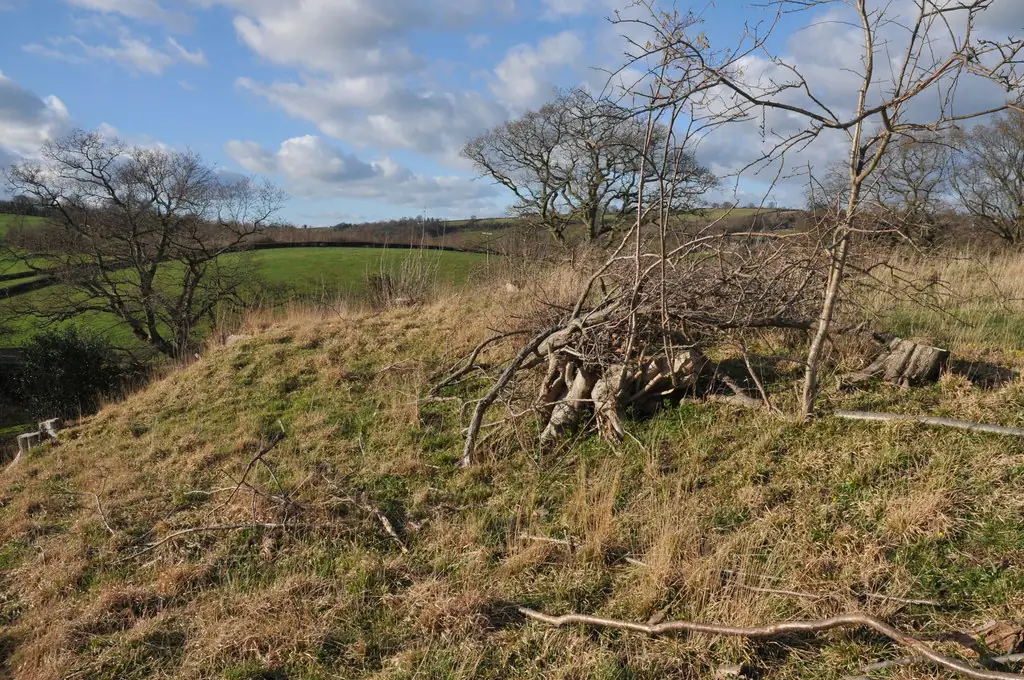
Castle building then reached each nation at a different time.
England got them in bulk from 1066, as William’s followers held down newly taken land. Norman lords pushed castles into Wales from the 1070s, and Welsh princes built their own in stone in the 1200s, Dolbadarn and Castell y Bere among them.
Scotland took them up in the 1100s, when David I settled Norman and Flemish families on granted land. Ireland had none until the Anglo-Norman arrival from 1169. Ringforts and crannogs came earlier and are a different kind of site. Trim in Meath and Carrickfergus in Antrim are among the first large stone castles there.
The Motte-and-Bailey Boom After 1066
The fastest castle building happened in the years right after 1066. A motte-and-bailey needed soil, timber and labour and nothing else, so one could be raised in a single season.
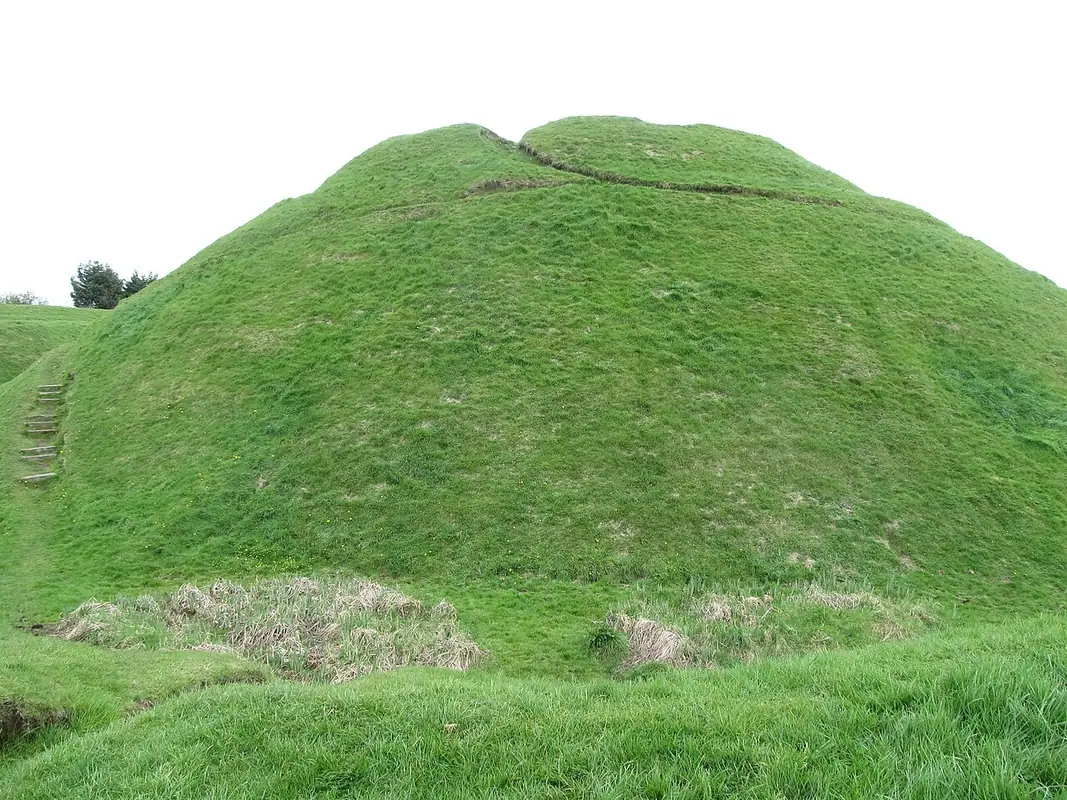
That pattern repeated across England and Wales in large numbers, then spread into Scotland and Ireland. Most of those sites never got stone. The timber rotted, the mound stayed, and that is why so many entries on the map are a grassy cone with no masonry on it.
If you want the shapes sorted out, the guide to the main types of castles runs through each plan.
Stone Keeps and the Thirteenth-Century Peak
Stone arrived quickly at the sites that mattered. The White Tower at the Tower of London was begun in the 1070s and finished around 1100. Square stone keeps were the standard for important castles through the 1100s, with Dover’s great tower built in the 1180s.
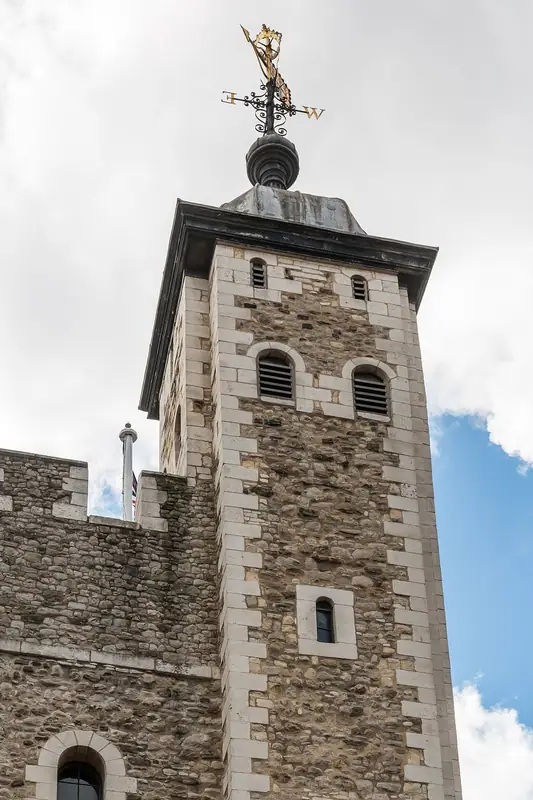
The 1200s were the peak. Builders dropped the single tall keep and put the money into curtain walls, round wall towers and huge gatehouses. Water defences grew alongside them, which is the subject of the guide on castle moats.
Edward I’s campaigns in Wales from 1277 produced the most expensive castles ever built in these islands, among them Caernarfon, Conwy, Harlech and Beaumaris.
After about 1330, very few large new castles were started in England and Wales. Later work mostly added comfort to what was already standing, which is how some castles drifted towards being a palace or a grand country house. Scotland and Ireland kept building, but as tower houses, and they kept at it for another three centuries.
How Castles Were Built: Quarries, Labour and Lime Mortar
Castles were built from local ground, local stone and a very large workforce. The sequence rarely changed.
- Pick the site: a rock outcrop, a river crossing, a harbour or a road.
- Dig the ditch and pile the spoil into the mound or bank. Labour service owed by local tenants covered much of this.
- Open a quarry as close as possible, because moving stone cost more than cutting it. Fine stone for doors and windows travelled further, sometimes from Normandy by sea.
- Burn limestone in kilns, slake the quicklime with water and mix it with sand to make lime mortar.
- Build each wall as two dressed faces with a rubble and mortar core between them, which is why a breach shows loose stone inside.
- Raise timber scaffolding as the wall grows, resting the poles in holes left in the masonry. Many of those putlog holes are still visible.
- Turn arches and vaults over wooden frames, then strike the frames once the mortar had set.
Lime mortar sets slowly and frost ruins it, so masons worked spring to autumn and capped unfinished walls with dung, straw and turf over winter.
How Long Did One Castle Take to Build?
It depended on the material and the money, so here are ranges with the reason behind each.
Earth and timber: weeks to a few months, given enough labour on site.
A stone keep: several years, often five to ten, because walls can only rise so fast before the mortar needs time.
A royal stone castle of the 1200s: about four years at Conwy with thousands of workers, decades at Caernarfon, which was never finished, and Beaumaris was still incomplete when the money ran out.
When Did People Stop Building and Living in Castles?
Castle building faded for three reasons: gunpowder, cost and comfort.
Heavy guns made tall stone walls a target rather than a shield. New defence work went low, thick and squat, and the Crown paid for it as forts with garrisons, not as homes.
Owners also wanted light, warmth and wide windows. Once holding your own door against a neighbour stopped being normal, a castle was an expensive and draughty way to live.
Many castles in England and Wales were then wrecked on purpose after the Civil War of the 1640s so nobody could hold them again. Corfe, Kenilworth and Pontefract were all slighted this way.
Scotland and Ireland ran later. Tower houses such as Claypotts near Dundee were built as homes into the late 1500s, and some stayed occupied well past 1700 before a roof gave way. A few castles never emptied at all, including Windsor, Arundel, Bamburgh and Dunvegan.
Can Castles Still Be Built Today?
Yes, and people do. Nothing in law forbids building a castle. What you need is planning permission, plus scheduled monument consent or listed building consent if you are working on an old site.
What nobody builds is a working castle. Private defence has no role now, so a new castle is a house wearing towers, battlements and arrow slits that will never be shot through.
Castle Drogo in Devon, designed by Edwin Lutyens and built in the early 1900s, is usually called the last castle built in England. Victorian owners did the same thing earlier at Penrhyn and Castell Coch, which is why some entries look medieval and are not.
Where to Go Next
Pick a building period and go and stand in it. The full castle index lists every entry on the map with its county, so you can line up a motte, a stone keep and a tower house in one trip.
Questions
When were castles built?
Most castles in Britain and Ireland were built between 1066 and about 1500. A few stood in England before the Norman Conquest, near the Welsh border. Earth and timber castles came first, stone keeps from the late 1000s, and the heaviest spending on great stone castles fell in the 1200s. Tower houses in Scotland and Ireland carried on into the 1600s.
How are castles built?
Castles were built from whatever the ground gave. Workers dug a ditch and piled the spoil into a mound or bank. Masons quarried stone nearby, burnt limestone into lime for mortar, then laid two dressed faces with a rubble core packed between them. Timber scaffolding sat in holes left in the wall, and arches rose over wooden frames.
When were castles used?
Castles were in use as homes, courts, prisons, stores and strongholds through the medieval period, roughly the 1100s to the 1400s in England and Wales, and later in Scotland and Ireland. Many stayed in use long after their walls had stopped being a serious defence, and a handful, including Windsor and Arundel, have never stood empty.
When were castles abandoned?
Most were abandoned between the 1400s and the 1700s. Some fell out of use when the owner built a comfortable house nearby. Many in England and Wales were deliberately wrecked after the Civil War of the 1640s so they could not be held again. In Scotland and Ireland, tower houses were often left when estates changed hands or a roof failed.
Can castles still be built today?
Yes. No law stops you building a castle, and people still do, usually as large houses with towers and battlements. You need planning permission, plus extra consent if the site is a scheduled monument or a listed building. What nobody builds is a working castle, since private defence has no role and heavy guns ended tall stone walls.
How long did it take to build a castle?
An earth and timber castle could be finished in weeks or months if the labour was plentiful. A stone keep usually took several years. The great Welsh castles of Edward I ran far longer. Conwy took about four years of intense work, Caernarfon was still unfinished after decades, and Beaumaris was never completed at all.