What to Expect When Visiting a Castle: Stairs, Timings and Weather
What to expect when visiting a castle in the UK or Ireland: visit length, spiral stairs, winter closures, timed entry, weather and dog rules explained.
What to expect when visiting a castle depends on one thing above all: whether the place is staffed or simply left open. A staffed castle means a ticket desk, a marked route, rooms with floors and a toilet near the gate. An open ruin means a field gate, a notice board, uneven ground and whatever the weather is doing.
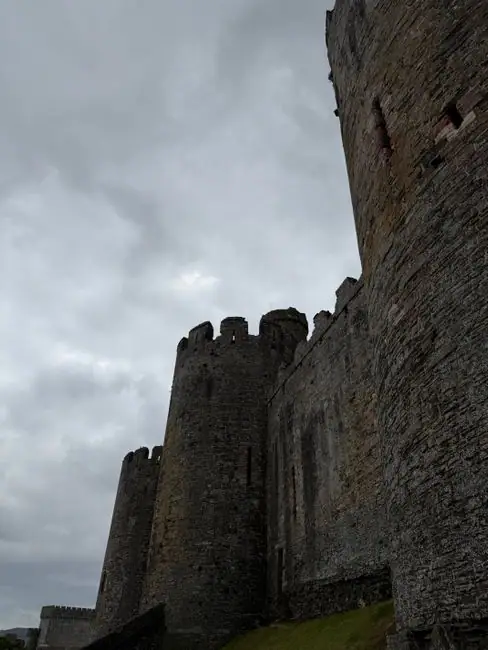
Both kinds are worth the drive. The map of castles in the UK and Ireland shows them side by side, so it helps to know which one you are heading for before you set off.
How long does a castle visit actually take?
Allow one to two hours for an average castle. A small tower house or a low ruin takes twenty to forty minutes, a mid sized site with a signed route takes about ninety minutes, and a big staffed castle with state rooms, grounds and an audio guide can fill half a day.
What stretches a visit is rarely the building. It is the walk in from the car park, the queue at the desk, the cafe and the shop.
Two castles in a day is comfortable. Three is a push, especially in Scotland where the distances between them are long. The guide to day trips, guided tours and driving yourself sets out what fits.
Spiral stairs, uneven ground and what access looks like
Expect stairs, and expect them to be awkward. The standard way up a medieval tower is a stone spiral stair, worn hollow in the middle, lit by narrow slits, and wide enough for one person at a time. There is often a rope instead of a handrail, and a one way system in summer because two people cannot pass.
Most of these stairs climb clockwise, which is usually explained as an advantage for a defender fighting downward with a sword in the right hand.
Outside is uneven too. Cobbles, grass banks, dry ditches, loose gravel and mud after rain are all normal, and a motte and bailey site is really a steep grass hill with a path worn up one side.
Pushchairs, carriers and wheelchairs
A pushchair will not go up a tower, and at many sites it will not get past the gate. A sling or a back carrier works far better, which is one reason the castles that hold a child’s attention tend to be the ones with open grounds attached.
Wheelchair users get a mixed picture. Car parks, visitor centres, cafes, shops and gardens are usually level and accessible. Ground floors sometimes are. Upper floors in a medieval building almost never are, because lifts are rare. Larger properties publish an access statement, and smaller ones will answer the phone.
Opening seasons, winter closures and timed entry
Many castles close for the winter. The biggest staffed sites open all year on shorter winter hours, while smaller ruins in state care often run a spring to autumn season and then drop to weekends or shut completely. Privately owned castles and their gardens can be closed for months at a time.
Check the body that looks after the site before you travel: Historic Environment Scotland, Cadw in Wales, and Heritage Ireland for state sites in the Republic. England is split between English Heritage, the National Trust, local councils and a long list of private owners.
Timed entry is standard at the busiest castles now. Booking online is usually cheaper than paying at the gate, and it guarantees a slot in the school holidays. If you plan more than a handful of visits in a year, which pass or membership is worth buying is the sum to do first.
Weather, footwear and ruins with no roof
Half of a ruined castle is open to the sky. There is no roof, no glass in the windows, and often no shelter closer than the car, so rain changes the visit rather than just dampening it.
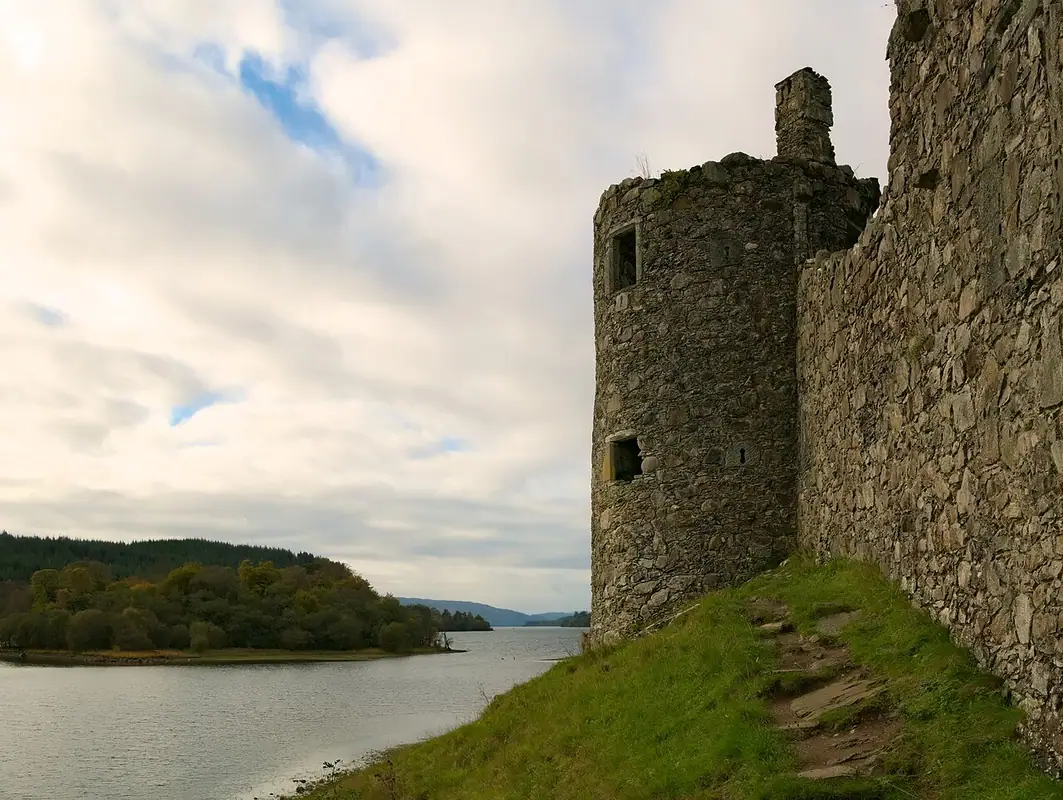
Wear shoes with grip. Wet stone steps, mossy cobbles and worn treads are the main hazard at any castle, more than height or dark.
Coastal and clifftop sites add wind. A headland that feels breezy in the car park can be hard to stand up in on the wall head, and clifftop paths get closed in gales, so the clifftop and coastal castles are the ones to check a forecast for. Island castles add ferries and tides on top, and reaching the castles on Skye is as much about the drive and the weather as the ruins themselves.
The great roofless shells of north Wales, Harlech and Caernarfon among them, are as impressive as any castle in Europe and have almost no indoors. Most of the best castles in Wales to visit are that kind, so pack for a day outside.
Dogs, bags, photography and the rules at the gate
Rules differ by owner, but the pattern is consistent:
- Dogs: usually welcome on a lead in grounds and open ruins, rarely allowed inside furnished rooms. Assistance dogs go everywhere.
- Bags: large rucksacks may have to be left at the desk, and bag checks are normal at the busiest castles.
- Photography: fine outdoors almost everywhere. Some furnished interiors ban flash or ban photos entirely, and tripods and drones need permission.
- Climbing: walls, ditches and earthworks are protected monuments, so staying off them is a legal point rather than fussiness.
- Picnics: usually fine in the grounds, not in the rooms.
- Cash: small sites, honesty boxes and some car parks still do not take cards.
Walking round the outside is free at most castles and often gives the better photograph. That is how the water at a moated castle is best seen, from the far bank rather than the courtyard.
Ruins with no staff: honesty boxes, locked gates and keyholders
Plenty of castles have nobody on site. Entry is free, the gate is open in daylight, and there is no toilet, bin, cafe or shelter. Treat it like a short walk, not an attraction.
Some have an honesty box for donations, so a few coins are worth carrying. Some are kept locked with a keyholder nearby, a farm, shop, pub or hotel that lends the key during the day, and the notice at the gate or the owner’s web page says who holds it. Others stand on working farmland and need permission, with livestock in the field and gates to leave exactly as you found them.
A castle on a map is not always a castle you can walk into. Read the entry for the site before you commit to a long drive.
Where to go next
Start with All Castles in the UK and Ireland, the full map and county by county list. Find the castle you have in mind, then check the access and opening notes on its own page before you build a day around it.
Questions
Do you need to book a castle visit in advance?
At the busiest staffed castles, yes. Sites like Edinburgh, Windsor and the Tower of London often work on timed slots that sell out in school holidays, and the online price is usually lower than the gate price. Smaller ruins and unstaffed sites take no booking at all. If the car park has a barrier, book that too.
How much does a castle visit cost?
It depends on the owner, the nation and the season, so check the castle's own page for current prices. Ruins in state care are often free and unstaffed, mid sized staffed sites sit at the lower end of paid attraction prices, and the famous royal castles charge the most. Family tickets, gardens only tickets and annual passes all change the sum.
Are castles cold inside?
Usually colder than outside. Thick stone holds the winter for months, floors are flagged or bare, and window openings in a ruin have no glass. Even in a furnished castle the towers and basements feel raw once you step out of the heated rooms. Wear a layer you can take off in the cafe and put back on for the stairs.
Can you visit every castle shown on a map?
No. Many surviving castles are private homes, farm buildings, hotels or unsafe ruins with no public route in, and some can only be seen from a road or footpath. Check the entry for the site before you plan a day around it. Where a castle stands on private land, ask the owner rather than climbing a gate or a wall.
What should you take to a castle visit?
Shoes with grip, a waterproof layer and water. Add a small torch for dark stairs and cellars, coins for an honesty box or a parking machine, and a sling or carrier instead of a pushchair if you have a toddler. Download tickets and directions before you leave, because the signal at remote ruins is often poor.