Castles in Scotland Owned by the Royal Family: What You Can Visit
Which castles in Scotland are owned by the royal family, which are Crown or state run, and exactly what you can visit and when, explained simply.
Castles in Scotland owned by the royal family come down to one estate in practice: Balmoral, in Aberdeenshire, which the monarch owns privately, the same way anyone owns a house. Edinburgh Castle, Stirling Castle and the old royal palaces are not family property, so getting into them has nothing to do with where the royals are that week.
Hold on to that split and the rest is easy. Private means the family sets the terms. Crown or state ownership means a public body sets the hours and sells you a ticket.
Which castles in Scotland does the royal family actually own?
Two places, in plain terms. Balmoral Castle and its estate on Royal Deeside belong to the monarch as personal property, not as Crown land. The Castle of Mey in Caithness was bought by Queen Elizabeth The Queen Mother and is now held by a trust she set up, which keeps it in royal hands without it being the monarch’s own house.
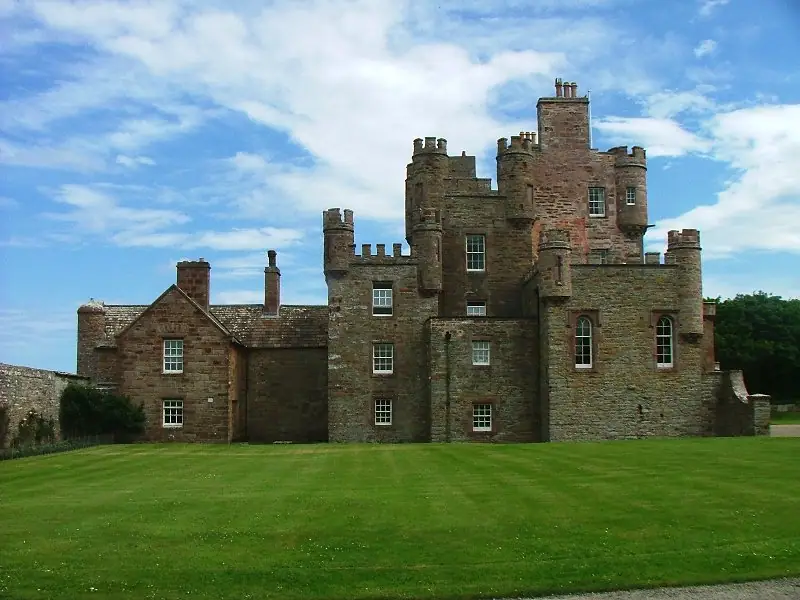
Everything else carries the word royal for historical reasons. A former royal residence, a castle where a king was crowned, a palace still used for ceremonies: all royal in the everyday sense, none of them owned by the family today.
Neighbours blur the picture further. Abergeldie Castle stands a few miles along the Dee and was leased by the royal family for generations, yet it has stayed with the Gordon family throughout. Braemar Castle, further up the valley, is run by local volunteers on a lease from a private estate.
Balmoral and the move north each summer
Balmoral is the answer to the question most people are really asking. It is the castle in Scotland where Queen Elizabeth II spent her summers, and the family still goes north in August and stays into the autumn.
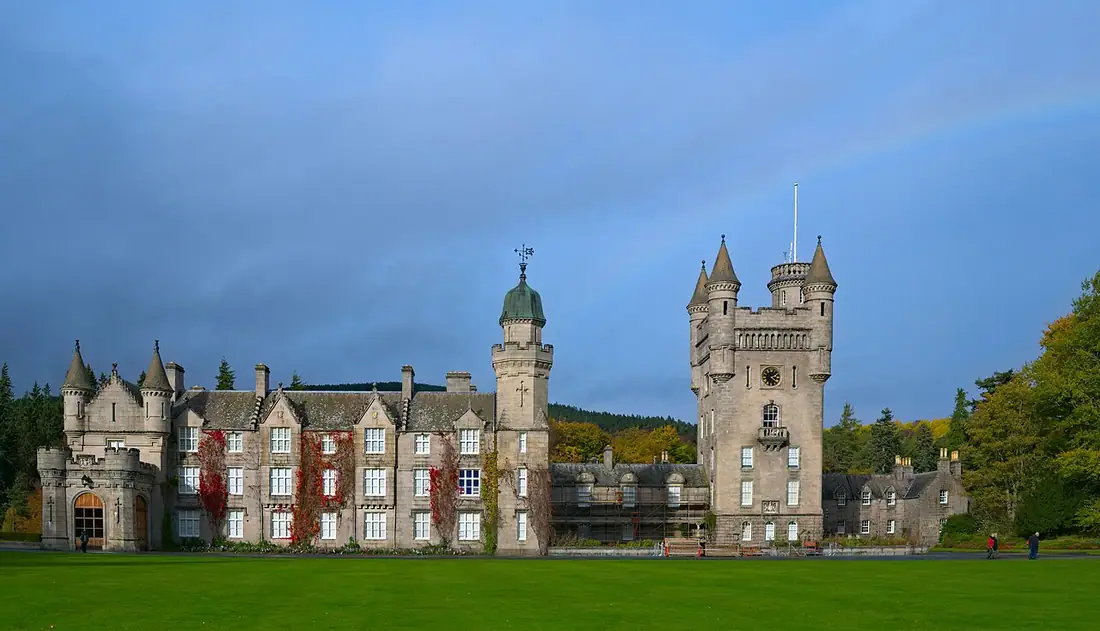
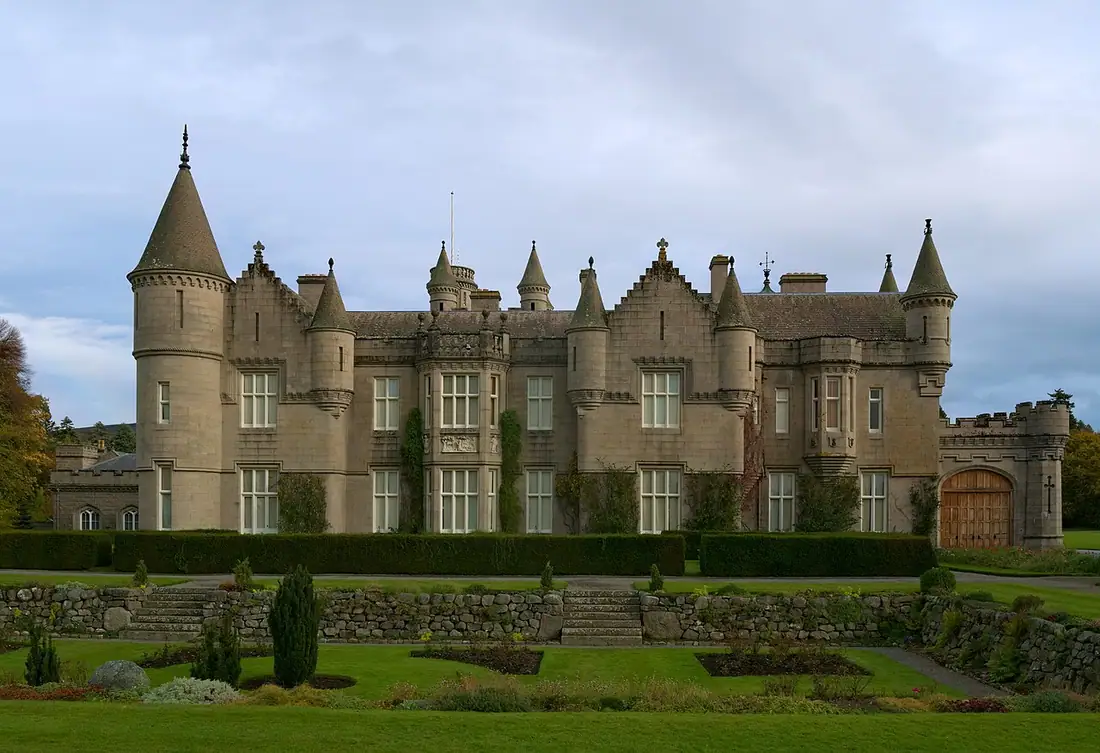
The estate was bought for Queen Victoria and Prince Albert, who had the house rebuilt in the Scots baronial style you see in every photograph of it. Balmoral has stayed in the monarch’s personal hands ever since.
Because it is a private home, the visiting season runs backwards from the family’s diary. The gates open in the quieter months and shut when the household arrives.
Crown property, private estate and state care
Three labels, three different sets of rules.
Private property is owned by the monarch as a person. Balmoral and Sandringham in Norfolk sit here, and they pass by inheritance.
Crown property is held in right of the Crown rather than by the individual. The land and seabed side of it is managed by Crown Estate Scotland, and the income goes to the public purse. The Palace of Holyroodhouse belongs in this group, held in trust for the nation.
State care is the third group. Edinburgh, Stirling, Linlithgow and dozens of ruins are looked after by Historic Environment Scotland as public monuments. The word palace on several of them is a leftover from their royal past, and the line between the two words is worth knowing: here is how castles and palaces differ.
Edinburgh, Stirling and the old royal seats
Edinburgh Castle is the site most visitors mean when they say royal castle. Kings and queens of Scots lived there, the Honours of Scotland are kept there, and part of the rock is still army ground. Ownership sits with the state, and it opens daily.
Stirling Castle was the Stewart favourite. James VI grew up inside it, and the restored palace block shows how a Stewart court actually lived.
Falkland Palace in Fife was the same family’s hunting retreat and is cared for by the National Trust for Scotland. Scone Palace in Perthshire proves the point about names: the crowning place of Scottish kings sits beside a mansion that is a private family home.
Which royal palaces are in Scotland?
Scotland has one working royal palace: the Palace of Holyroodhouse in Edinburgh, the monarch’s official Scottish residence. The others are historic sites, not homes. Falkland Palace in Fife, Linlithgow Palace in West Lothian, Scone Palace in Perthshire and Dunfermline Palace in Fife carry the name from their royal past.
- Linlithgow Palace was the birthplace of Mary, Queen of Scots in 1542 and has stood roofless since a fire in 1746; Historic Environment Scotland looks after the ruin.
- Dunfermline Palace, where Charles I was born in 1600, is also a ruin in state care, next to the abbey.
- Only Holyroodhouse is used by the family today, and the Royal Collection Trust sells its tickets.
What opens, and when
| Place | Who owns it | Visiting |
|---|---|---|
| Balmoral Castle, Aberdeenshire | The monarch, privately | Grounds, gardens and part of the castle, outside the family’s stay |
| Castle of Mey, Caithness | A trust founded by the Queen Mother | Summer season, with a short closure for a royal visit |
| Abergeldie Castle, Aberdeenshire | The Gordon family, privately | Not open |
| Palace of Holyroodhouse, Edinburgh | Crown, official royal residence | Most of the year, apart from royal visits |
| Edinburgh and Stirling Castles | State care | Daily, all year, with a short Christmas closure |
Opening dates shift from season to season on the two royal homes, and rooms can be withdrawn at short notice. Buy from the official site, not a reseller, and treat August as the month to avoid if you want to see inside Balmoral.
Royal castles elsewhere in the UK
Windsor Castle in Berkshire is the big one: a working royal residence, held in trust rather than owned privately, and open to visitors for most of the year. The Tower of London and Hampton Court are Crown property too, run by Historic Royal Palaces. Hillsborough Castle in County Down is the royal residence in Northern Ireland, with gardens and guided tours. In Wales, the great castles are state monuments under Cadw, and none of them belongs to the family.
Where to go next
If Balmoral is the anchor of your trip, build the rest around the same valley. Start with castles in Aberdeenshire, which maps the Deeside castles within an easy drive, Braemar and Crathes and Drum among them, so one royal stop turns into a full few days.
Questions
Which castles in Scotland are owned by the royal family?
Balmoral Castle and its estate in Aberdeenshire are owned by the monarch as private property, not as Crown land. The Castle of Mey in Caithness, bought by Queen Elizabeth The Queen Mother, is held by a trust she founded. Edinburgh, Stirling, Linlithgow and the other famous names are public monuments in state care, not family property.
Is Balmoral Castle privately owned or Crown property?
Privately owned. Balmoral belongs to the monarch as a person and passes by inheritance, the same way any family house does. That is different from Crown property, which is held in right of the Crown and whose income goes to the public purse. The difference matters for visitors, because a private owner sets the opening season.
Which castle in Scotland does the royal family stay in during summer?
Balmoral, on Royal Deeside in Aberdeenshire. Queen Elizabeth II spent her summers there, and the family still travels north in August and stays into the autumn. Other houses on the same estate, including Birkhall, are used by family members. The castle closes to visitors while the household is in residence.
What is the official royal residence in Scotland?
The Palace of Holyroodhouse in Edinburgh. It is the monarch's official Scottish residence, used for ceremonies and state business, and it opens to visitors when no royal visit is booked. Edinburgh Castle, at the other end of the Royal Mile, was a royal seat for centuries but is now run as a public monument.
Does the royal family own Edinburgh Castle?
No. Edinburgh Castle is in state care and looked after by Historic Environment Scotland, which sets the hours and sells the tickets. It was a royal residence and still holds the Honours of Scotland, and part of the rock remains army ground. Royal history and royal ownership are two separate things here.
Can you visit Balmoral Castle?
Yes, for part of the year. The estate opens its grounds, gardens and some of the castle outside the family's stay, with timed tickets booked in advance. What is included changes from one season to the next, and rooms can close at short notice. Book through the estate's own website rather than a reseller.