How Many Castles Are There in the UK?
No single official total exists, so here is the honest range for how many castles are in the UK, by nation, plus which county holds the most castles.
How many castles are there in the UK?
There is no single official total. How many castles there are in the UK depends on the rule you count by, so the honest answer is a range. Count only castles that still stand as buildings and you land in the hundreds. Count every site historians class as a castle, including ruins, grass-covered earthworks and Scottish tower houses, and the figure runs into the low thousands.
Both answers get published. Neither is wrong. They answer two different questions.
That is why you see totals for the same country that differ by thousands. Before you trust a number, check whether it includes ruins and earth mounds, and whether it counts castellated mansions built long after castles stopped being any use in a fight.
How many castles are there in Great Britain?
Great Britain means England, Scotland and Wales, so a British total leaves Northern Ireland out. Count only castles still standing as buildings and Great Britain is in the hundreds. Count every recorded site, including ruins, mottes and Scottish tower houses, and the figure runs into the low thousands.
- Great Britain is the island holding England, Scotland and Wales. The United Kingdom adds Northern Ireland, which has 67 notable castles on this map, 15 of them open to visitors.
- Scotland carries the largest share of the British total because tower houses were built in quantity from the 1300s onward and hundreds still survive as ruins, farm buildings or homes.
- Before you trust a published British figure, check whether it counts earthworks and castellated mansions. That one choice moves the number by thousands.
How many castles are in England, Scotland, Wales and Northern Ireland?
Scotland comes out highest on most broad lists. The reason is the tower house, a tall fortified family home built in quantity from the 1300s onward. Hundreds survive as ruins, farm outbuildings or restored homes, which is why counts of castles in Scotland run so high.
England has a different mix. The Normans put up earth and timber castles across the country after 1066 and most never got a stone rebuild. What is left is often a mound and a ditch in a field. The grand survivors take the attention, but they are a thin slice of the castles recorded across England.
Wales holds fewer sites than either, packed into far less ground. Welsh princes and English kings built rival lines of castles along the border and the north coast, so three can sit within a short drive of each other. The Wales castle pages split them by county.
Northern Ireland has the smallest total of the four, with a strong group of coastal castles and plantation-era strongholds. Its county lists cover castles in Northern Ireland.
Why the total depends on what counts as a castle
A castle is a fortified private home. That definition holds up fine until you apply it to thousands of real places. These are the calls that move the UK total the most:
- Earthworks with no masonry left. A motte in a field was a castle. Some lists count it, some do not.
- Tower houses and pele towers. Defended family homes, so they qualify, and there are a lot of them.
- Castellated country houses. Built as homes with battlements for show, usually excluded.
- Forts and hillforts. Military, with no household living there, so not castles even when the local name says otherwise.
- Sites known only from documents. Named in old records, nothing visible on the ground now.
Our guide to the main types of castles walks through each form, which makes it easier to judge any list you come across.
How many UK castles are open to visitors?
A few hundred. Most castle sites in the UK are not attractions at all. They are private homes, working farmland, unstaffed ruins or earthworks on open land.
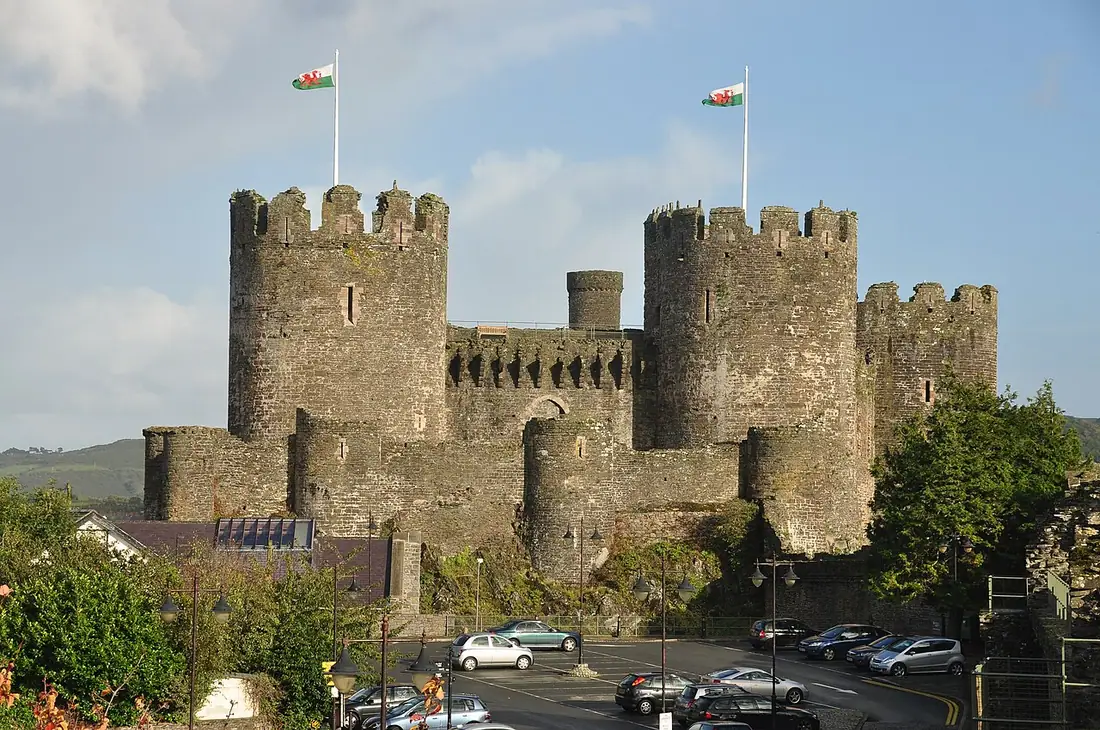
The ones worth planning a day around fall into four groups: properties run by the national heritage bodies, National Trust and National Trust for Scotland sites, privately owned castles that open to the public, and castles trading as hotels and wedding venues. Plenty of free ruins have no gate and no ticket desk.
For protected status and who looks after what, go to the public registers. England’s entries sit in the National Heritage List for England, and Scottish sites and monuments are published by Historic Environment Scotland. Wikipedia also keeps a long list of castles in England, which gives you a feel for how much a count changes once ruins and mottes go in.
Which county has the most castles?
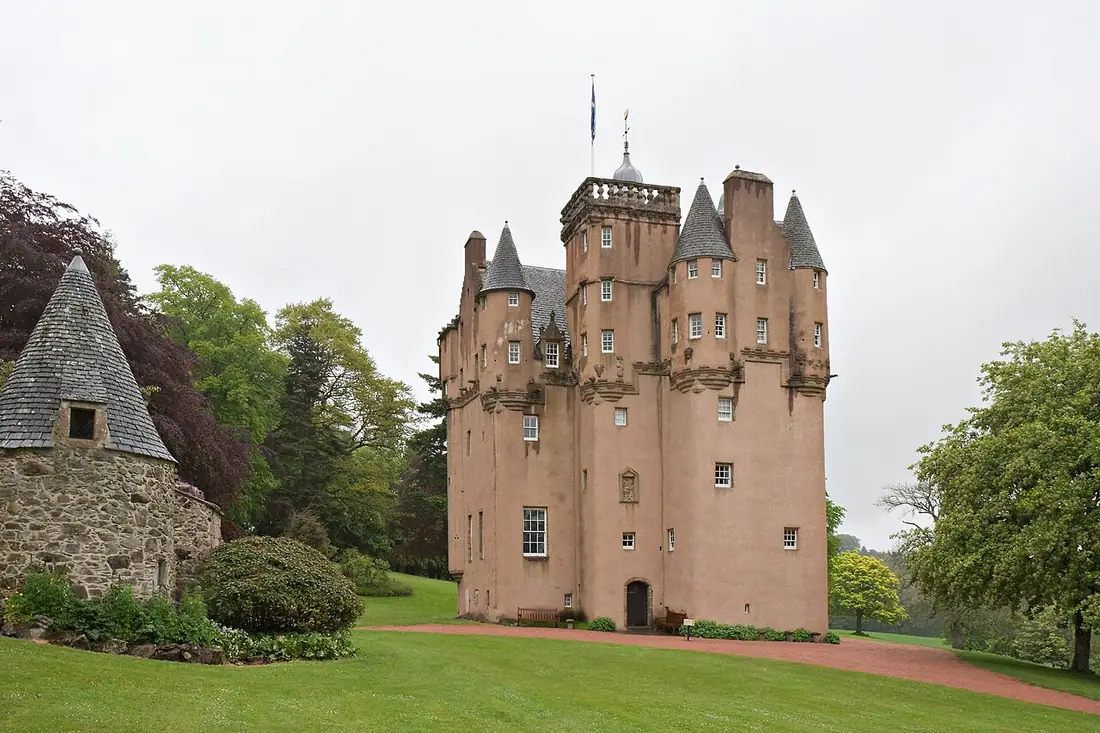
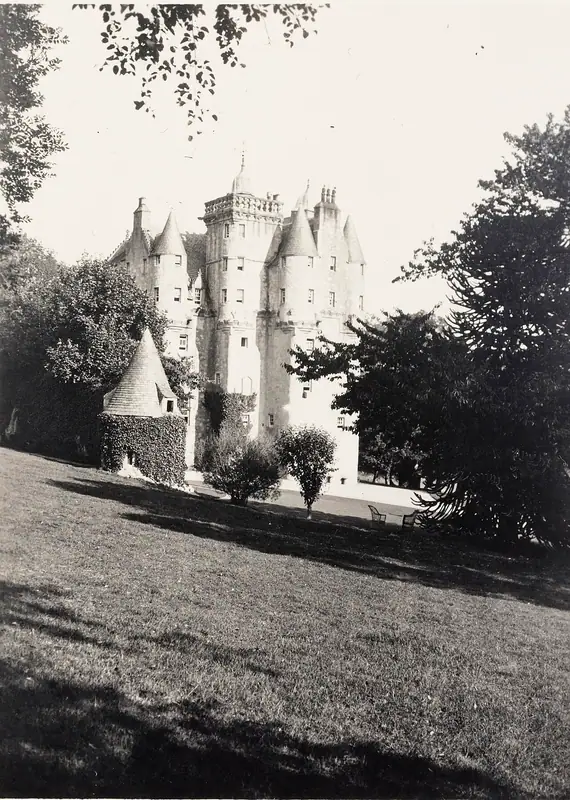
In Scotland the answer is Aberdeenshire, and it is not close. Farming wealth paid for tower houses and later baronial castles right across Donside, Deeside and the Buchan coast. Crathes, Craigievar, Fyvie, Dunnottar and Kildrummy all sit within a couple of hours of each other, and a signed Castle Trail links the main ones that open to the public. Every entry we map is on the Aberdeenshire castle list.
In England the densest counties are the northern border ones, Northumberland above all, where generations of raiding left castles, pele towers and fortified farmhouses within sight of each other. Kent and Yorkshire are rich for different reasons: coastal defence in one, Norman control of the north in the other.
In Wales the highest counts are in the old Marcher country and along the north coast, where Powys alone holds dozens of motte sites and Gwynedd carries the big royal castles of the Edwardian conquest.
City counts work the same way. The number of castles near Edinburgh looks small or large depending on how far out you draw the circle, which is why our castles near Edinburgh page sets a radius and sticks to it.
Where to go next
If you want the figure that actually matters to you, skip the national total and look at your own patch. Open the full castles of the UK and Ireland map and drill down into your nation, then your county. Each county page lists the castles we have mapped there, with what survives and whether you can get in.
Planning a trip rather than counting? The castle hotels pages cover the ones you can book a room in.
Questions
How many castles are there in the UK?
There is no official total. Counting only castles that still stand as buildings gives a figure in the hundreds. Counting every recognised castle site, including ruins, grass-covered earthworks and tower houses, pushes the UK total into the low thousands. Any number you read depends entirely on which of those rules the list used, so check the basis before trusting it.
How many castles are in England?
Fewer than most people expect if you count standing buildings, and far more if you count sites. The Normans built hundreds of earth and timber castles after 1066 and most never got stone, so what survives is often a mound and a ditch in a field. Famous survivors like Windsor, Warwick and Dover are a small share of the record.
How many castles in Scotland are there?
Scotland comes out on top of most broad counts, and the reason is the tower house. These tall fortified family homes went up in large numbers from the 1300s onward, and hundreds survive as ruins, farm buildings or restored houses. Add royal strongholds, coastal castles and island sites and Scotland holds a bigger share than any other UK nation.
How many castles are there in Aberdeenshire?
More than any other Scottish county on most counts, though no single agreed figure exists. Farming wealth paid for tower houses and later baronial castles across Donside, Deeside and the Buchan coast. Crathes, Craigievar, Fyvie, Dunnottar and Kildrummy all sit within a couple of hours of each other, which is why the county is known for castle density.
How many UK castles are open to visitors?
A few hundred, out of thousands of recorded sites. Most castles in the UK are private homes, working farmland, unstaffed ruins or earthworks with nothing to see but a shape in the grass. The ticketed ones are mostly run by national heritage bodies, the National Trust, private owners or hotel groups, and many free ruins have no gate at all.