Castles with Dungeons: Which Ones Still Have Them and What They Were For
Castles with dungeons are rarer than films suggest. See which pit prisons and bottle dungeons you can still walk down into, and what they were really used for.
Castles with dungeons are real, but there are fewer of them than films suggest, and a pit under the floor was never standard. Most prisoners in medieval Britain and Ireland were kept in a tower room, a gatehouse chamber or a basement that also held barrels.
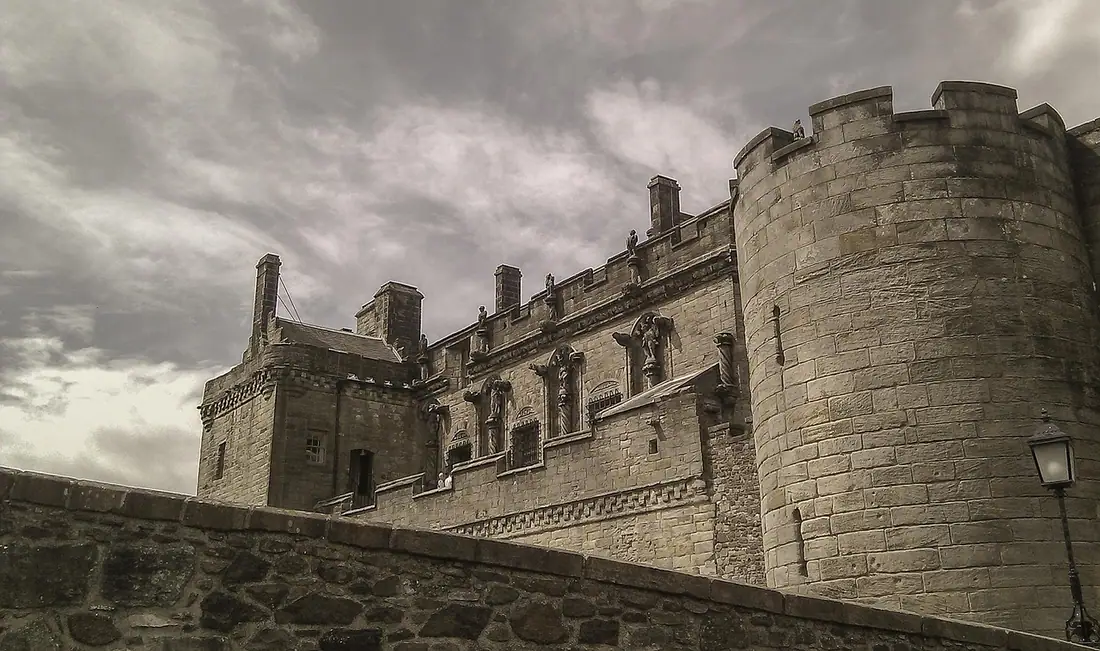
The word itself has drifted. Dungeon comes from donjon, the old term for the great tower of a castle, so it first meant the strongest part of the building rather than the grimmest. For the background on what these places were set up to do, read why castles were built in the first place.
Did castles really have dungeons?
Some did. Most did not, at least not as a built for purpose prison.
Holding someone cost money. You needed a guard, food, water and a space nobody else could use. That only made sense if the captive was worth a ransom or was being held on the crown’s orders, and valuable prisoners usually got a room with a window and a fire.
Ordinary criminals went to a town gaol or to a royal castle that ran as one. A private castle was a fortified home first, which is the same point that separates a castle from a fort or a palace.
Pit prisons and bottle dungeons: what they looked like
A pit prison is a cell with no door. The only opening is a hatch in the floor above, so the prisoner went down on a rope and came up the same way. Air came through the hatch. So did food, when there was any.
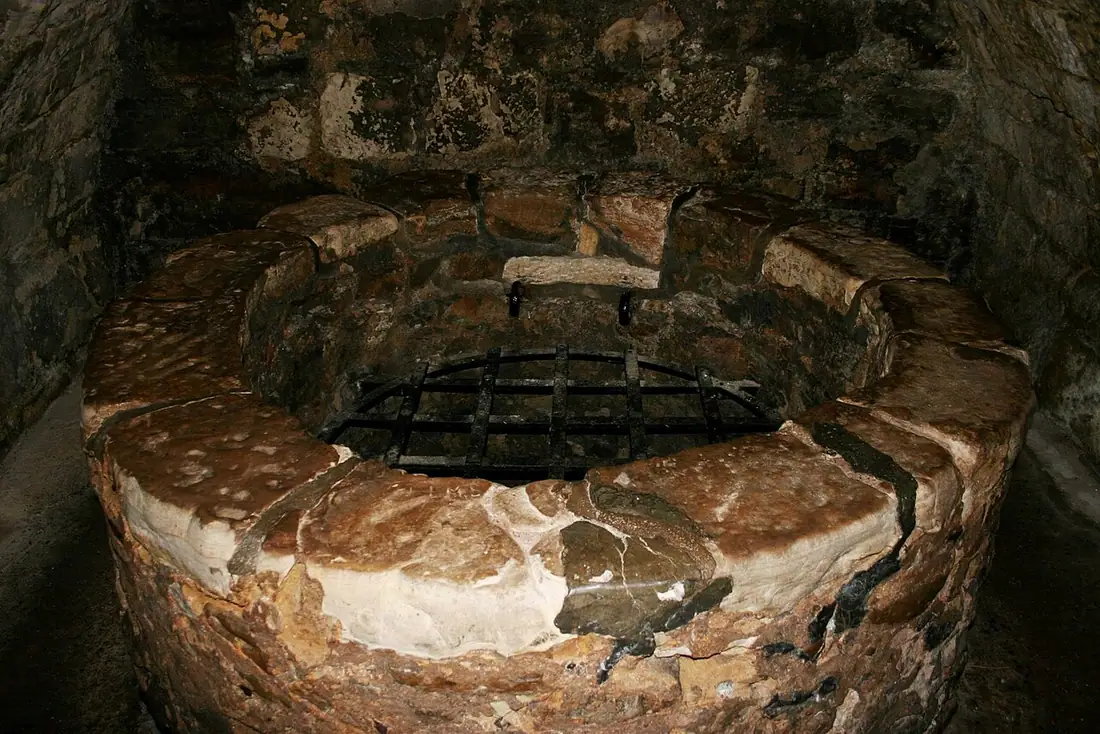
A bottle dungeon is the same idea cut into solid rock, with a narrow neck that widens into a chamber below. The shape gives it the name. The clearest one in Britain is at St Andrews Castle in Fife, where you look down through the neck from the room above. St Andrews belonged to the bishops, and its pit held church prisoners as well as political ones.
What an oubliette actually is
An oubliette is a pit prison reached only from above. The name comes from the French oublier, to forget. Tour guides now use it for almost anything underground and unpleasant, and the recorded history of these cells is thinner than the signage suggests.
A vaulted basement with a hatch is not proof of a dungeon. Grain, ale and weapons were also kept out of reach.
Castles with dungeons you can still go down into
| Castle | Where | What is down there |
|---|---|---|
| St Andrews Castle | Fife | bottle dungeon cut in rock, viewed from the room above |
| Dunnottar Castle | Aberdeenshire | the Whigs’ Vault, where Covenanter prisoners were held |
| Carlisle Castle | Cumbria | keep basement cells with carvings cut by prisoners |
| Lancaster Castle | Lancashire | prison cells and the courtroom, guided tour only |
| Tower of London | Greater London | White Tower basement, site of the cell called Little Ease |
| Warwick Castle | Warwickshire | a pit below the gatehouse guardroom |
| Chillingham Castle | Northumberland | a vaulted undercroft shown as a dungeon, with instruments on display |
Lancaster Castle is the pick if the prison side interests you more than the medieval side. It ran as a working gaol into living memory, and the Pendle witch trials were heard in its court.
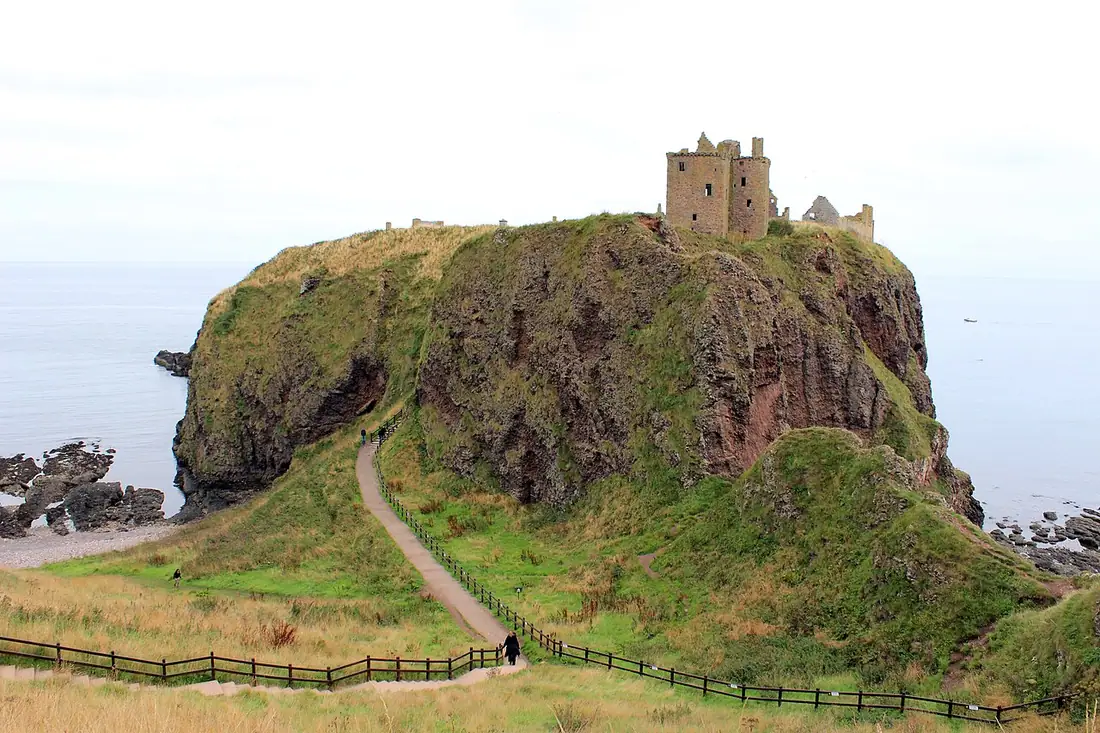
Dunnottar is the opposite kind of visit. It is a cliff top ruin, the vault is open to the weather, and the walk in from the car park is long and steep.
Oubliettes, secret passages and hidden stairs
Most secret passages turn out to be something ordinary with a good story attached.
Mural stairs run inside the thickness of a wall, which feels secret but was simply the way up. Posterns and sally ports are small back doors, built so defenders could slip out or a messenger could get in. Garderobe chutes drop from the toilets and lead nowhere useful. Well shafts sometimes connect to rock cut channels, and that is where real tunnels tend to appear.
Nottingham has a genuine one. Mortimer’s Hole at Nottingham Castle runs through sandstone from the castle down to the base of the rock, and you can walk it on a tour. Dover Castle has medieval siege tunnels under its outer defences.
Tower houses in Scotland and Ireland often hide a stair or a small chamber in the wall, which is why they feel more secretive than a big curtain wall castle. That comes down to plan rather than intent, and it is covered in the four main types of castle.
Castles with a genuinely dark history
Dark history here usually means siege, hunger, politics or religion rather than a torture chamber.
Dunnottar held a large group of Covenanters in one vault in bad conditions. Blackness Castle on the Forth served as a state prison. Edinburgh Castle held prisoners of war in its vaults. Carlisle held Jacobite prisoners after the rising.
Leap Castle in Offaly has the grimmest reputation of all. The story of a spiked pit found full of bones gets repeated everywhere, though access to the castle is limited and much of the detail comes from later retellings rather than records.
Haunted castles in Scotland draw on the same raw material. Glamis has the hidden room. Crathes has the Green Lady. Fyvie, Culzean and Edinburgh all have their own. Treat them as folklore, then notice how often the stories sit on top of something that really did happen.
Visiting the lower floors: access, light and narrow stairs
Basements are the least accessible part of almost any castle.
Expect a spiral stair with worn treads, low headroom and a rope where you want a handrail. Many pits are viewed through a grille or a glass panel rather than entered. Bring a torch, because your phone will usually beat the lighting provided.
Lower floors are cold and often wet. Ditches and water defences kept the ground damp, and that water explains a lot about how the lowest rooms feel, as set out in what castle moats really held.
If stairs are a problem, check the site’s own access notes before you travel. Heritage bodies close vaults and undercrofts in heavy rain or ice, sometimes at short notice.
Where to go next
Open the full castle index to find places near you, then read each entry for what survives below ground before you commit to the drive.
Questions
Did all castles have dungeons?
No. Plenty of castles never held a prisoner, and most that did used a tower room, a gatehouse chamber or a basement that doubled as a store. Purpose built pit prisons were uncommon because guarding and feeding a captive cost money with no return. Royal castles that ran as gaols are the ones most likely to have real cells.
What is a bottle dungeon?
A bottle dungeon is a cell cut down into rock with a narrow neck that widens into a chamber below, so the shape resembles a bottle. There is no door. Prisoners were lowered through the neck on a rope. The best known example in Britain is at St Andrews Castle in Fife, where visitors look down from the room above.
What is an oubliette in a castle?
An oubliette is a pit prison that can only be reached through a hatch in the floor of the room above. The name comes from the French word oublier, meaning to forget. Guides now use it loosely for almost any underground space in a castle, which is worth remembering, because many of those vaults began life as storerooms for grain, ale or weapons.
Which castles with dungeons can you visit?
St Andrews Castle in Fife has its bottle dungeon on view. Dunnottar in Aberdeenshire has the Whigs' Vault. Carlisle Castle has keep basement cells with carvings cut by prisoners. Lancaster Castle shows its prison cells on guided tours. The Tower of London, Warwick Castle and Chillingham Castle all open lower rooms linked to holding prisoners.
Did castles have secret passages?
A few did, but most so called secret passages are ordinary features with a good story attached. Stairs built inside the thickness of a wall, small back doors called posterns, toilet chutes and well shafts all get mistaken for them. Genuine rock cut tunnels do exist, including Mortimer's Hole at Nottingham Castle and the siege tunnels at Dover.
Which castles in Scotland are said to be haunted?
Glamis, Crathes, Fyvie, Culzean and Edinburgh Castle all carry well known ghost stories, and the vaults or lower floors usually feature in them. These accounts are folklore rather than record, so treat them as stories. They often cluster around places where something real did go wrong, such as a siege, a long imprisonment or a political killing.