Castles in Scotland Tour Options: Day Trips, Guided Tours and Driving Yourself
Planning a castles in Scotland tour? Compare coach day trips, guided multi-day tours, trains and driving yourself, with distances, parking and booking tips.
A castles in Scotland tour usually means one of three things: a coach day trip out of a city, a guided multi-day tour with a driver, or a hire car and your own route. Geography decides which one fits. Day trips reach one or two castles near Edinburgh, Glasgow or Inverness, while the Highlands, Argyll and the islands really need a car, because the castles sit miles apart and the local bus might run twice a day.
If you have not fixed your list yet, scan every castle on the map of the UK and Ireland and look for clusters. Three castles in Aberdeenshire make a relaxed day. Three castles spread across Skye, Perthshire and Fife do not.
| How you travel | Suits | Castles in a day |
|---|---|---|
| Coach day trip | No car, one or two headline castles, winter visits | 1 to 2, plus scenery |
| Guided multi-day tour | Nervous drivers, solo travellers, remote sites | 2 to 3 |
| Hire car | Flexible routes, photography, island castles | 2 to 4 |
| Train and bus | City breaks, castles near stations | 1 to 2 |
Day trips from Edinburgh, Glasgow and Inverness: what they cover
Most city day trips are scenery tours with a castle attached. Read the itinerary for time inside the gate rather than hours on the road. An hour at Stirling or Urquhart is enough for a look, not for the whole site.
From Edinburgh, Stirling Castle is the standard half day, often bolted onto Loch Lomond or the Trossachs. Linlithgow Palace is an easy train ride, and Craigmillar sits inside the city on a bus route. There are more within an hour than people expect, listed on the page for castles you can reach from Edinburgh.
From Glasgow, Dumbarton Castle on its volcanic rock is a short hop by train. Rothesay Castle on Bute works as a train and ferry day out. Culzean Castle in Ayrshire is the big coastal name, and coach trips usually pair it with the Ayrshire coast.
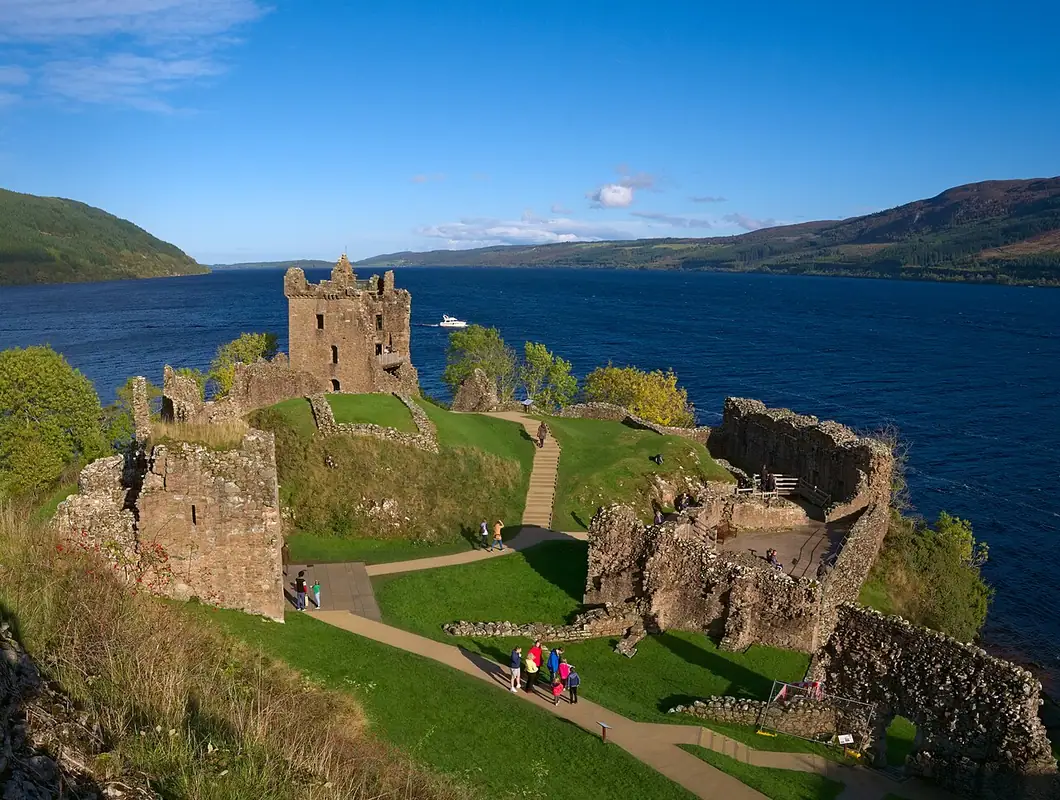
From Inverness, the common trip is Urquhart Castle on Loch Ness with a boat cruise. Cawdor Castle and Castle Stuart lie east of the city. Full-day Skye tours leave early and stop at Eilean Donan on the way, which makes a long day with little time out of the minibus. Shorter options are grouped on the page for castles within reach of Inverness.
Guided multi-day castle tours and who they suit
These run roughly three to seven days in a small minibus, with a driver guide and booked hotels. They suit anyone who would rather not drive on the left, solo travellers who want company, and winter visitors facing dark afternoons and sudden weather.
The trade-off is control. Stops are fixed, visits are timed, and you cannot wait twenty minutes for the cloud to clear. Many tours sell themselves on television and film sites, which matters if you came for the places behind Outlander and the other series filmed in Scotland.
Driving yourself: distances, single-track roads and parking
Scotland looks small on a map and drives bigger. Edinburgh to Inverness is around 160 miles and takes three to three and a half hours on the A9. Inverness to Portree on Skye is about 110 miles and close to two and a half hours. Those are moving times with no stops, so add for photographs, coffee, roadworks and slow lorries.
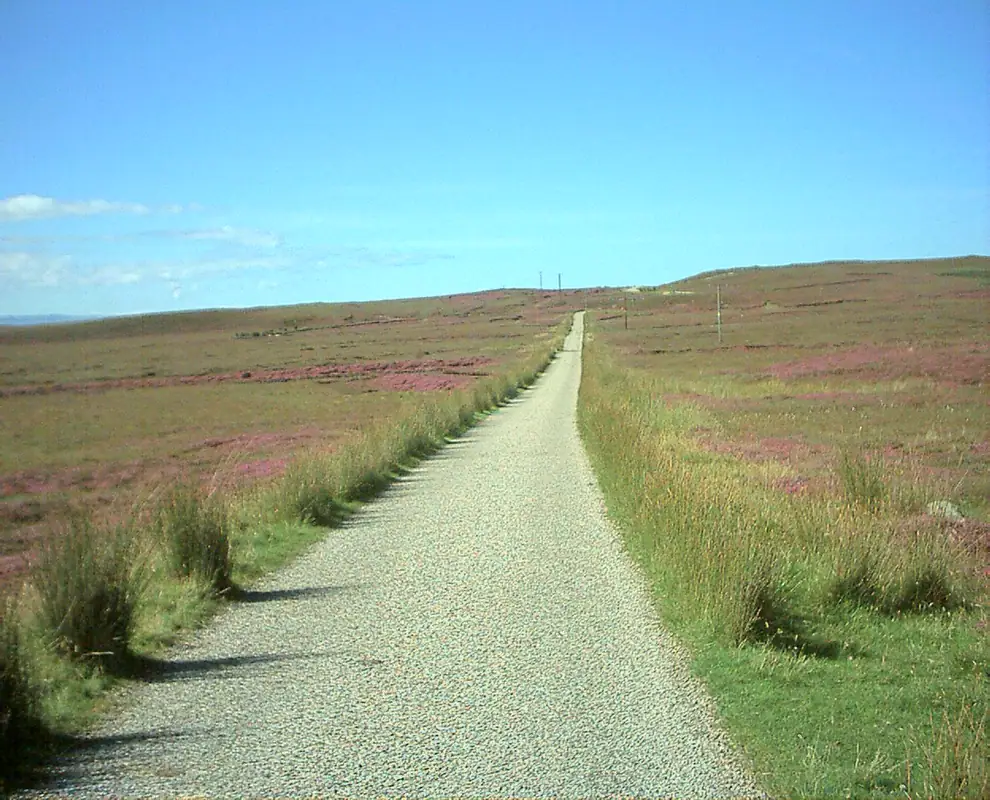
Single-track roads with passing places are normal on Skye, Mull, Ardnamurchan and the far northwest. The etiquette is simple. Passing places are for passing and for letting faster traffic by, never for parking or photo stops.
Parking varies more than anything else. Edinburgh Castle has no visitor car park, so you use a city car park or park and ride and walk up. Rural sites often have a small free car park and then a walk, and clifftop ruins are the worst offenders: Dunnottar is a car park, a descent and a climb back. Coastal sites tend to involve the longest walks, as the guide to clifftop and coastal castles shows.
Islands add ferries. Skye has a bridge, but Mull, Bute, Arran and the Outer Hebrides need a booked crossing in summer if you are taking the car. The castle options there are set out in the guide to castles on the Isle of Skye.
Castles you can reach by train or bus
A car-free tour is possible if you build the route around the railway.
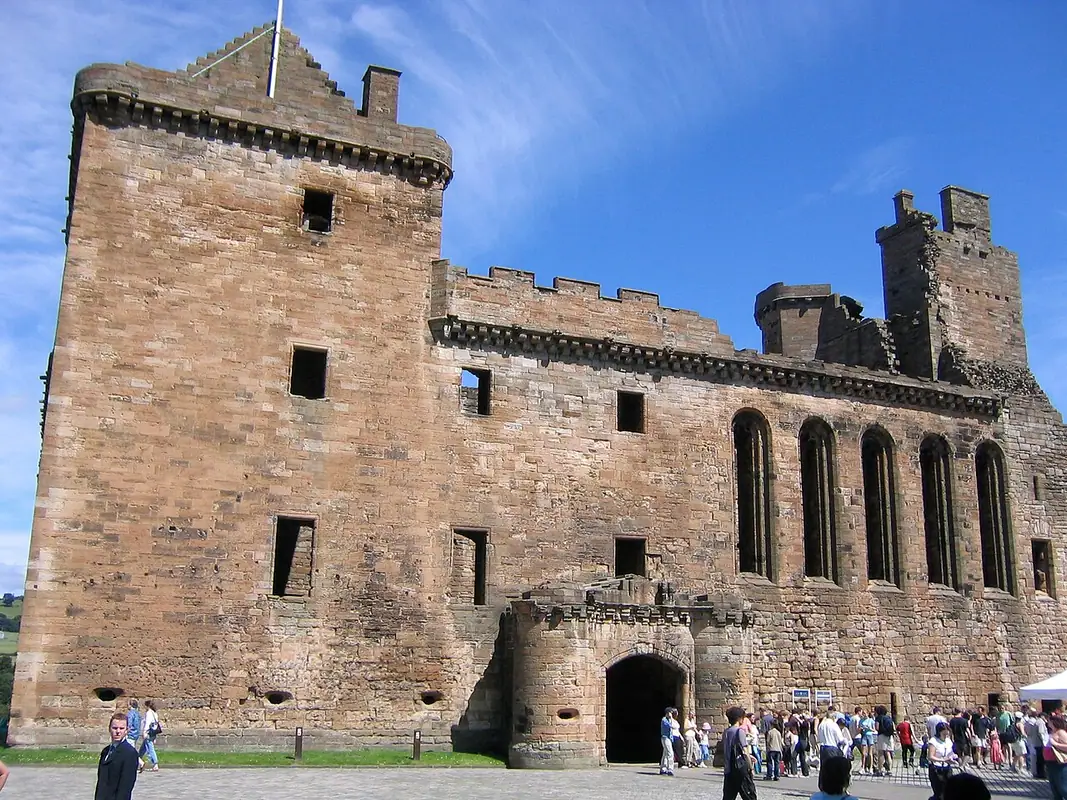
- Linlithgow Palace, West Lothian: minutes from the station on the Edinburgh to Glasgow line.
- Stirling Castle: under an hour by train from Edinburgh or Glasgow, then an uphill walk through the old town.
- Dumbarton Castle: a short walk from Dumbarton East station.
- Blair Castle, Perthshire: Blair Atholl station, then a walk through the village.
- Dunnottar Castle: train to Stonehaven and roughly half an hour on foot along the coast path.
- Rothesay Castle, Bute: train to Wemyss Bay and a ferry that lands in the town.
- St Andrews Castle: train to Leuchars, then a local bus.
- Craigmillar Castle: a city bus from central Edinburgh.
How many castles fit in one day without rushing
Two or three in one area is comfortable. Allow an hour and a half to two hours for a big furnished castle, forty minutes for a bare ruin, and treat anything over two driving hours between stops as a travel day with one castle in it. Four is possible in Fife or Aberdeenshire, where sites sit close together.
Booking ahead: timed tickets, closures and private tours
The state-run sites belong to Historic Environment Scotland, which sells timed entry at Edinburgh Castle and runs reduced winter hours elsewhere. Popular slots go first in summer. Properties such as Culzean, Crathes and Fyvie are held by the National Trust for Scotland, a separate organisation with its own tickets and membership.
Privately owned castles are the ones most likely to catch you out. Many open only in season, and a wedding, a shoot or a family event can close a castle for a day with little notice. Check the castle’s own page the week you travel, not the month before. Private guided tours and after-hours access exist at some larger houses, usually booked direct and priced per group.
Breaking up the driving
If the route involves long legs, sleeping in one of them cuts the mileage and gets you inside after the day visitors leave. Options run from a room in a castle hotel to renting a whole tower, and the guide to castles you can stay in sorts them by what you actually get.
Where to go next
Once you know how you are travelling, pick the castles by region. Castles in Scotland by county lists every entry nation by nation, so you can see what sits near your route before you book anything: start on the Scotland castle index.
Questions
Which castles in Scotland can you go inside?
Plenty of them. Edinburgh, Stirling, Urquhart, Craigmillar, Dirleton, Doune, Blackness and Caerlaverock are all staffed sites you can walk into, and Glamis, Blair, Cawdor and Culzean are furnished houses with guided or self-guided routes. Many smaller ruins are open shells with no roof and no ticket desk, so what you see is walls, stairs and views.
Is Edinburgh Castle or Stirling Castle better if you only see one?
Stirling tends to reward a short visit more. The royal palace and great hall are restored and laid out so the rooms make sense, and the crowds are usually thinner. Edinburgh Castle wins on setting, the crown jewels and the sheer weight of history, but it is the busiest paid attraction in the country and queues eat into your time.
Can you see castles in Scotland for free?
Yes. Many ruins stand on open ground with no gate or staff, including Kilchurn by Loch Awe, Ardvreck on Loch Assynt and Castle Varrich above Tongue. Others are free to look at from outside even when closed, such as Castle Stalker from the roadside viewpoint. You pay only at staffed sites with interiors, exhibitions and facilities.
What time of year suits a castle tour in Scotland?
Late spring and early autumn give the best balance. Opening hours are long, daylight stretches well into the evening, and the big sites are quieter than in July and August. Winter means short afternoons, reduced hours at state-run sites and closed doors at most privately owned castles, though the light on a cold clear day is hard to beat.
Are Scottish castles manageable if you cannot do stairs?
It varies a lot. Medieval towers are built around narrow spiral stairs with no lift, so upper floors are often out of reach. Ground floors, courtyards, grounds and visitor centres are usually much easier, and several larger sites run accessible routes or shuttle vehicles. Check the access page for each castle before you build it into a route.