Castles for Sale in Scotland: What They Cost and What Buying One Involves
Castles for sale in Scotland look cheap until you read the survey. What they cost, listed building rules, running costs and how the sales really work.
Castles for sale in Scotland run from the price of a modest flat for a roofless ruin to several million pounds for a restored castle with its own estate. Condition sets that price, not age or looks.
A low asking price nearly always means the repair bill has been put off rather than paid. That is the whole story behind the cheap listings people keep finding.
This guide covers real price bands, why they look so low, the rules a listed building brings with it, what a year of ownership costs, and how Scottish sales work.
What Castles in Scotland Actually Sell For
There is no single figure. Prices track the rural Scottish property market and the state of the building, so treat every band below as a rough shape rather than a quote. You can check what comparable properties actually sold for through Registers of Scotland, which holds the public land register.
The market sorts into three rough groups:
- Ruins and derelict towers. No roof, no services, often no road. Marketed as restoration projects and priced closer to a building plot than a house.
- Habitable tower houses and small castles. Lived in, wired, heated. These sell like a large country house in the same county, with a premium for the name on the gate.
- Large castles with land. Estate, cottages, maybe a wedding or stay business already running. Millions, and the figure depends more on the acreage and the income than on the walls.
Scotland has thousands of castle sites, and only a tiny share are ever private property on the open market. Our count of how many castles there are across the UK shows how small the sellable slice really is.
Why They Look Cheap Until You Read the Survey
The asking price is the cheapest part of a ruin.
A roof is the first problem. Replacing or repairing a slate roof on a tall, awkward building means scaffolding that can stand for a year or more, and scaffolding on a castle is not cheap.
Then comes the masonry. Old walls were built with lime mortar, and repointing them with modern cement traps water and makes the damp worse. Conservation work usually costs more per square metre than new build, because the materials and the trades are specialised and the access is bad.
After that: rot, bats and nesting birds that are legally protected, no mains water or drainage, a track that needs rebuilding before a lorry can reach the site, and wiring that has to start from nothing.
Get a survey from someone who works on historic buildings. A standard homebuyer report on a castle tells you almost nothing useful.
Ruins and Abandoned Castles: The Cheapest End of the Market
This is where most searches land, and where the biggest surprise waits. Many of the best known ruins will never be for sale, because they are in state care, held by a conservation charity, or sitting in a family trust.
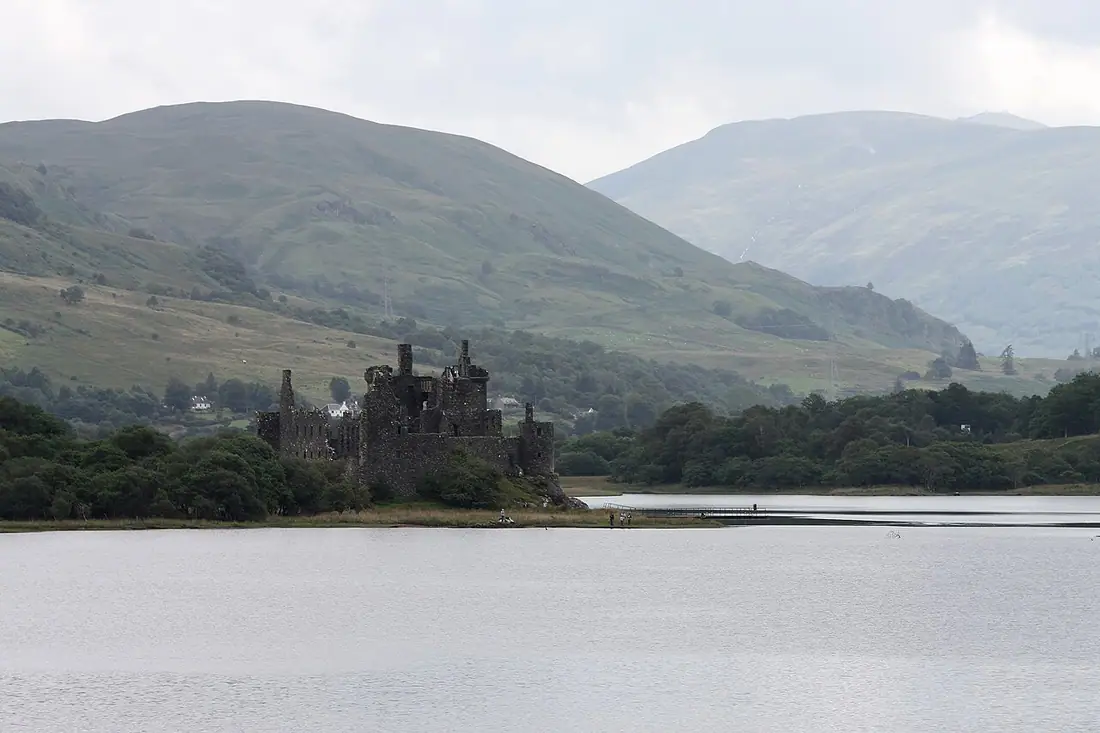
What does come up tends to be a small tower house, a shell of a baronial mansion, or a ruin bundled into a farm sale. Browse a county like Aberdeenshire or Highland and you will see how many of these sit on working farmland rather than on a tourist route.
Restoration is a long game. Balintore Castle in Angus stood derelict for decades before private restoration began, and projects on that scale are measured in years, not months.
Listed Building Consent and Scheduled Monument Rules
Almost every castle worth buying is protected, and the protection decides what you can do.
Listed buildings in Scotland are graded A, B and C, and altering one needs listed building consent from the local council on top of any planning permission. That covers windows, roofs, internal layout and sometimes the paint. Historic Environment Scotland runs the designation system and advises on applications.
Scheduled monuments are stricter. A scheduled ruin is treated as an archaeological site, works need scheduled monument consent, and turning one into a home is usually off the table. Plenty of cheap ruins are cheap for exactly this reason.
Ask which designations apply before you offer, not after. The answer changes the project completely.
Running Costs: Roof, Heating, Insurance and Staff
Ownership costs do not stop when the restoration does.
Heating a stone building with single glazing and high ceilings is expensive, and many castles are off the gas grid, so oil, biomass or heat pumps carry the load. Insurance needs a specialist underwriter who will price rebuild cost on conservation terms.
Then there is the roof again, every year, plus gutters, chimneys, lime repairs, grounds, trees and a long driveway. Owners of large castles usually need staff or contractors rather than a weekend of their own time.
Tax matters too. Scotland charges Land and Buildings Transaction Tax rather than stamp duty, with an extra supplement on additional dwellings, and revenue.scot publishes the current rates.
How to Buy a Castle in Scotland
The process follows normal Scottish conveyancing, with a few wrinkles.
- Watch listings from rural estate agents and solicitors who handle Scottish estates. Many sales are quiet or off market.
- Visit with a historic buildings surveyor and, if the roof is gone, a structural engineer.
- Confirm the listing grade, any scheduling, access rights and services.
- Offer formally through a Scottish solicitor. Where interest is high, the seller sets a closing date and all offers go in at once.
- Expect to pay cash for anything uninhabitable, since lenders generally will not take it as security.
- Once missives are concluded you are committed, and your title goes into the Land Register.
Buying to Let: Weddings, Stays and Film Shoots
Most private castles earn their keep. Weddings are the steadiest income, and our guide to getting married in a castle shows what couples look for in a venue.
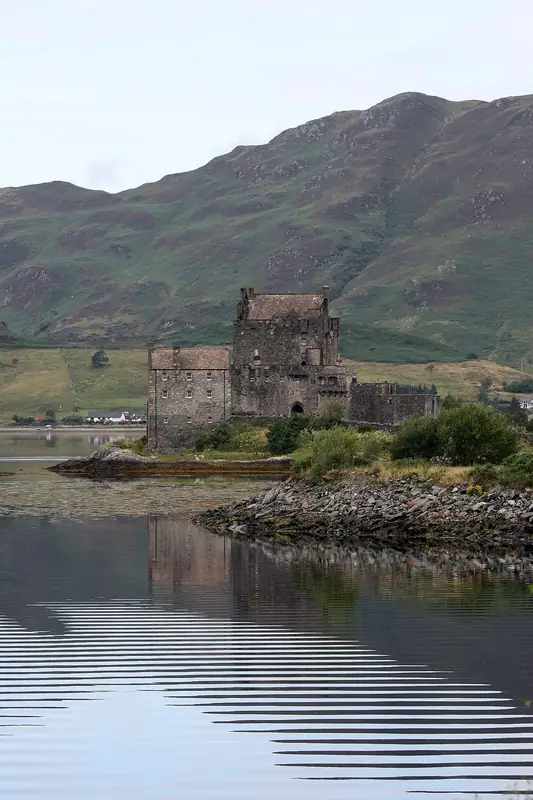
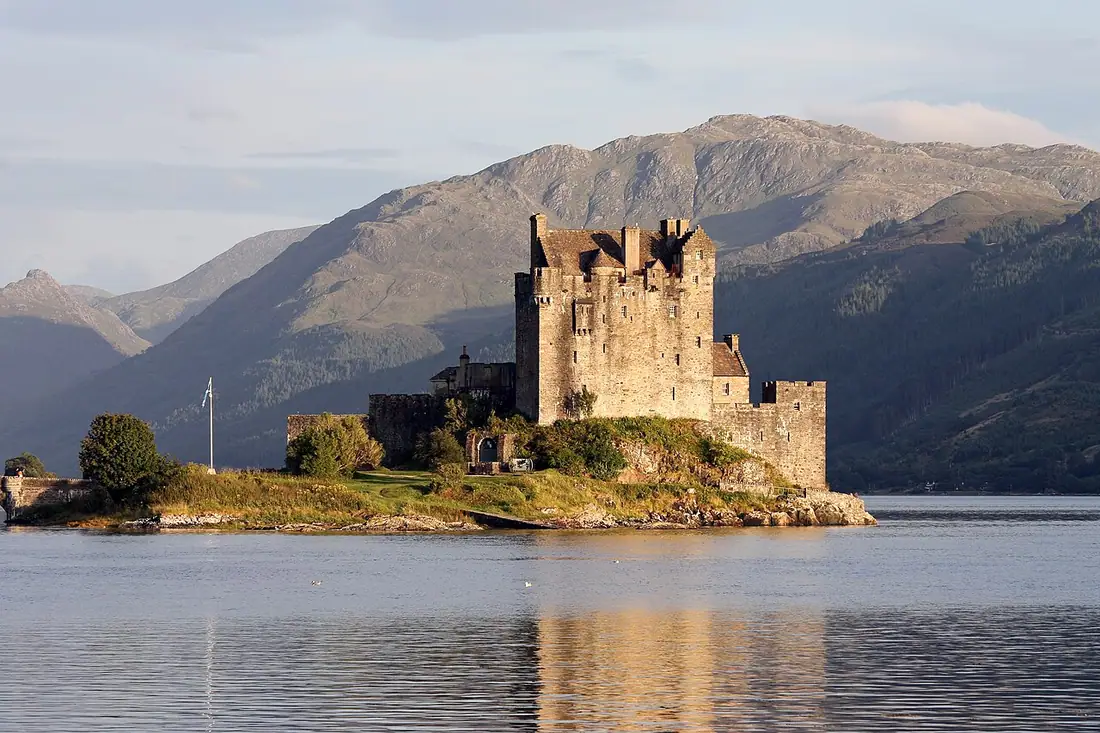
Holiday lets and exclusive-use stays are the other main route. See what the market already offers in castle hotels across Scotland before you price your own rooms.
Film and television work pays well but arrives unpredictably, as the places in Scotland’s castles on screen show. Treat it as a bonus rather than a business plan.
Any of these uses brings licensing, fire safety, accessibility and business rates into play. Build that into the restoration budget from the start.
Your Next Step
Start with our Scotland castle map, which lists every site by county so you can see what exists where, then compare finished examples on the castle hotels in Scotland page.
Questions
How much is a castle in Scotland?
It depends almost entirely on condition. A roofless ruin or a small derelict tower can be priced like a modest flat, because the buyer is really buying a restoration project. An intact tower house that someone already lives in tends to be priced like a large country house in the same area. Restored castles with land, outbuildings and an events business run into millions.
Why are Scottish castles so cheap?
They are not cheap to own, only cheap to buy. Many sit in remote places with thin buyer demand, and the repair liability scares most people off. Lenders rarely give a mortgage on a building with no roof, water or power, so the buyer pool shrinks to cash purchasers. A low asking price reflects the work waiting, not a bargain.
How do you buy a castle in Scotland?
Find a listing through rural estate agents or solicitors, view it with a surveyor who knows historic stonework, then make a formal written offer through a Scottish solicitor. Popular properties go to a closing date where everyone bids at once. Once missives are concluded the deal is binding, earlier than in England, and title is then registered in the Land Register.
Are there abandoned castles in Scotland for sale?
Yes, but fewer than the search results suggest. Most famous ruins are held by public bodies, charities or family trusts and never come to market. What does sell tends to be a small tower house, a shell of a Victorian baronial mansion, or a ruin inside a farm or estate sale. Supply is unpredictable, so listings appear and vanish quickly.
Can a foreigner buy a castle in Scotland?
Scotland puts no nationality bar on owning property, so overseas buyers can purchase a castle. You will need a Scottish solicitor to handle the offer and registration, and an overseas company or trust buying property has to disclose its controlling interests on the public register. Tax treatment and the second-home supplement depend on what else you own.
Does buying a castle give you a title or a lordship?
No. Owning the building gives you no peerage, no lordship and no seat. Feudal land tenure in Scotland was abolished, so a barony title is now a separate piece of personal property that can be sold without any castle attached. Anyone selling you a title alongside the stonework is selling two unrelated things.