Castles for Sale in England and Ireland: What They Cost and Who Buys Them
Castles for sale in England and Ireland: real price bands for ruins, shells and restored homes, plus listing grades, access rules and who buys them.
Castles for sale in England appear on the open market most months, priced from the cost of a small house for a roofless ruin to several million pounds for a restored castle with its own land. Condition, protection status and acreage set that price, not the age of the walls or the word castle on the gate.
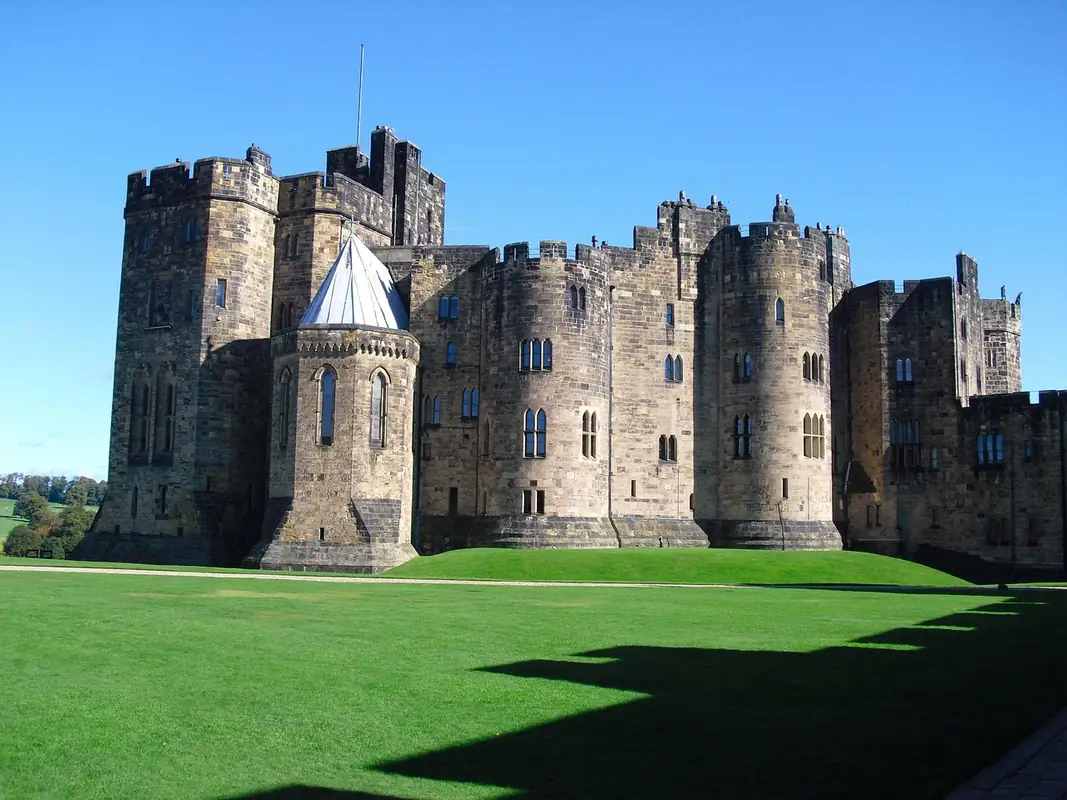
The same question gets asked about Ireland, where the market is mostly tower houses rather than great curtain-wall fortresses. Both work differently from the Scottish market, which we cover in the guide to castles for sale in Scotland.
What Castles for Sale in England Cost
There is no single figure. Castle prices track the ordinary country property market in that county, then move up or down by the size of the repair bill.
The market sorts into three rough bands:
- Ruins, shells and follies. No roof, no services, sometimes no road. Priced like a building plot with a problem attached.
- Habitable fortified houses, gatehouses and small castles. Wired, heated, lived in. These sell like a large country house in the same area, with a premium for the history.
- Castles with an estate. Land, cottages, sometimes a wedding or holiday business already trading. Millions, and the income and acreage weigh more than the masonry.
A cheap asking price is almost always a repair bill that has been postponed. Conservation work costs more per square metre than new build, because the trades are specialised, the access is awkward and the materials have to match what is already there.
Counties with a lot of surviving fabric throw up more of these listings than most people expect. Browse somewhere like Northumberland and you will see how many pele towers and small castles sit on working farms rather than on a tourist route.
Irish Castles and Tower Houses on the Market
Ireland’s for-sale stock is dominated by the tower house, a tall stone residence built in the late medieval period. Thousands survive across the island, which is why Irish listings look cheaper than English ones at first glance.
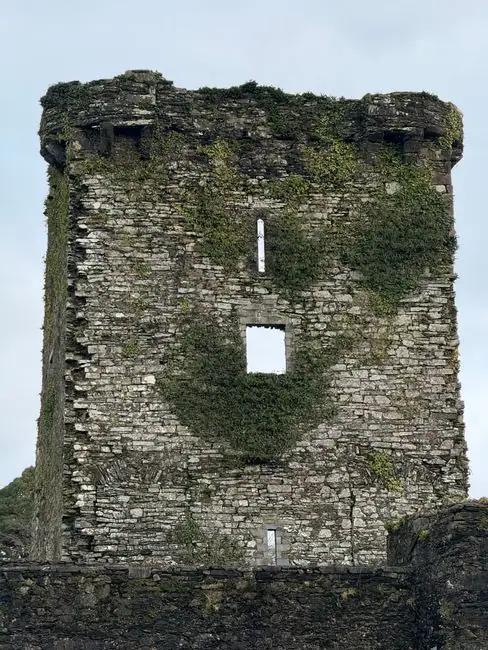
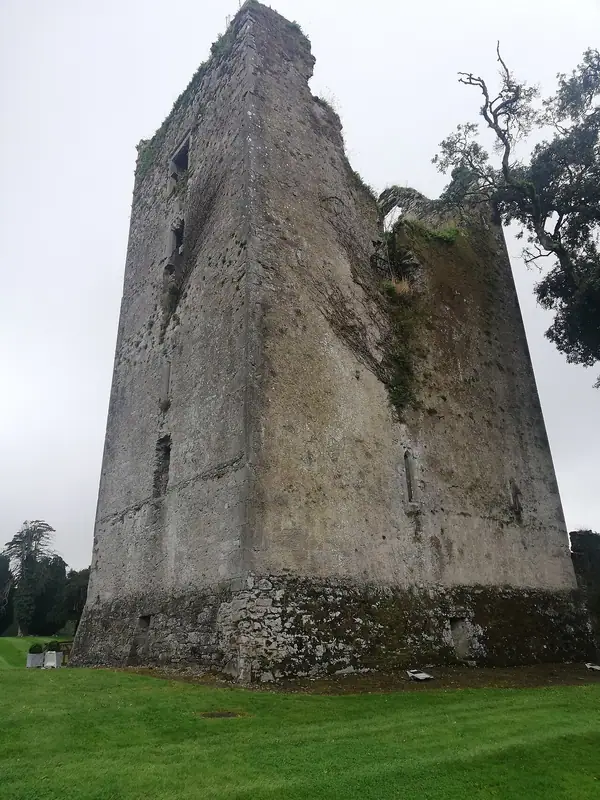
A tower house is a compact building. Floor area is small, the stair is tight, and the windows are narrow. That limits what it can become, and it keeps restored examples out of the price range of a big country house.
Counties in the west hold the densest clusters. County Clare alone has a long list of them, ranging from roofless shells to towers that have been restored as homes or let as holiday properties.
Northern Ireland follows UK conveyancing and UK-style listing. The Republic has its own planning law, its own stamp duty and its own record of protected structures, so a buyer looking at both is working in two legal systems.
Restored Homes, Shells and Follies: Three Different Buys
These three look similar in a listing and behave nothing alike once you own them.
A restored castle is a house with an unusual shape. It has consents in place, heating that works, and a maintenance cycle you can budget. You pay for all of that in the price.
A shell is a construction project with a long lead time and an uncertain end cost. Most buyers at this end need cash, because lenders rarely mortgage a building with no roof.
A folly is a third thing again. Many were built as ornaments in the eighteenth and nineteenth centuries, never defended anything, and were never meant to be lived in. They can make charming small conversions, and our count of how many castles there are in the UK explains why so many of them carry the castle name.
Grade I and Grade II* Listing: What You Can and Cannot Change
Listing does not stop you owning or living in a castle. It controls what you alter.
In England, buildings are listed at Grade I, Grade II* or Grade II, with Grade I reserved for exceptional interest. Historic England explains how the grades work, while the consent itself comes from your local council. Work that affects the character of the building needs listed building consent, inside as well as out.
| Where | Grades used | Who maintains the list |
|---|---|---|
| England | Grade I, II*, II | Historic England |
| Wales | Grade I, II*, II | Cadw |
| Northern Ireland | A, B+, B1, B2 | Department for Communities |
| Republic of Ireland | Protected structure, no grades | Each local authority |
Scheduled monuments are stricter again. A scheduled ruin is treated as an archaeological site, consent comes from central government rather than the council, and converting one into a dwelling is usually off the table.
In the Republic, a protected structure is entered on the local authority’s record. Owners can ask the council for a written declaration setting out which works would and would not need planning permission. Getting that in writing before you buy is the single most useful piece of paperwork in the whole process.
Planning, Access and Public Rights of Way
A castle on a hill often has a footpath running past it. In England and Wales, recorded public rights of way sit on the definitive map held by the council, and buying the land does not let you close them. GOV.UK sets out what a right of way means for a landowner.
The Republic of Ireland has far fewer recorded public rights of way. Access across private land is usually by permission or long custom, which cuts both ways: fewer walkers crossing your field, less clarity about who may be there.
Check the practical access too. A single-track lane that suits a car may not take a scaffolding lorry, and the cost of widening it can rival the cost of a roof.
Who Actually Buys These Places, and What They Do With Them
Four kinds of buyer keep this market moving.
Restorers who want a project and have the time and money to run one for years. Families who want a large, unusual home and pick the habitable end of the market. Operators who convert a castle into a hotel, wedding venue or holiday let. And neighbouring farmers or estates who buy a ruin because it stands on land they already farm.
The commercial route is the most common for large buildings, because income pays for the roof. If you want to see what a finished conversion looks like before committing, the list of castle hotels in Ireland shows the model in practice, and our guide to castles you can stay in covers whole-castle rentals as well as hotels.
Where to Start Looking
Before you chase a listing, work out which county you actually want to live in. The England castle map at our England section breaks the country down county by county, so you can see what survives near you and what condition it is in. That is the most useful page on this site for the stage before an offer.
Questions
Can you buy a castle in England?
Yes. Private castles, fortified manor houses and castle ruins come up for sale through ordinary estate agents and at auction. Many famous castles never will, because they sit with the state, the National Trust, English Heritage or a family trust. What reaches the market is usually a smaller fortified house, a gatehouse, a folly or a ruin attached to farmland.
How much does a castle cost in Ireland?
It depends almost entirely on condition. A ruined tower house with no roof and no services can be listed near the price of a small rural site, because the buyer takes on the whole restoration. A restored tower house that works as a home costs more than a comparable country house in the same county, and a large castle with an estate runs into the millions.
Can you live in a Grade I listed castle?
You can, and people do. The grade does not stop you living there, it controls what you change. Any work affecting the building's special interest needs listed building consent from the council, inside and out, including windows, roofs and internal walls. Grade I buildings get the closest scrutiny, so expect a longer process and specialist conservation advice on every application.
Why are ruined castles so cheap to buy?
Because the price tag is the smallest cost in the project. A shell needs a roof, scaffolding that may stand for a year, lime mortar repairs, drainage, power, water and often a new access track. Protected bats and nesting birds can pause work. If the ruin is a scheduled monument, turning it into a home may not be permitted at all.
Do people from other countries buy castles in England and Ireland?
Yes. Neither country bars non-residents from owning property, and overseas buyers are a steady part of this market. Mortgages are harder to get on a ruin than on a normal house, so many of these sales are cash. Tax treatment differs by country and by residence status, so take advice before bidding rather than after.