Castles by the Sea: Clifftop and Coastal Castles Worth the Drive
Castles by the sea on every shore of Britain and Ireland: clifftop ruins, tidal islands and sea-rock strongholds, with tide, wind and closure warnings.
Castles by the sea are the ones built on a cliff, a headland or a tidal rock, where the water did half the defending. The best known are Dunnottar and Tantallon on Scotland’s east coast, Dunluce in County Antrim, Tintagel and St Michael’s Mount in Cornwall, and Bamburgh and Lindisfarne in Northumberland.
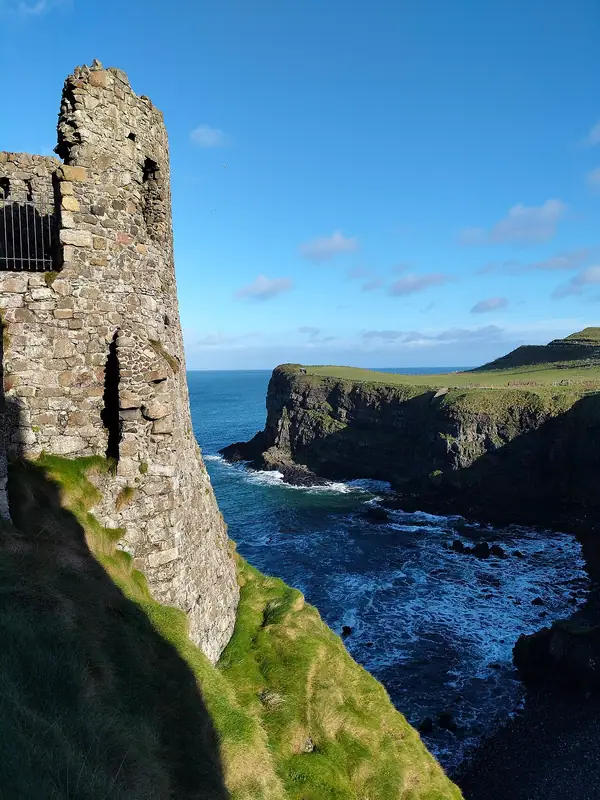
This guide groups them by shore so you can line up two or three in a day. It also flags the tide, wind and closure problems that catch people out. For inland sites and the full county listings, use the map of castles in the UK and Ireland.
What Counts as a Castle by the Sea?
A coastal castle is one where the sea or a tidal channel was part of its defence. Four kinds turn up again and again.
- Clifftop castles on a headland, with a narrow neck of land as the only way in.
- Tidal island castles reached by causeway or boat.
- Sea-rock castles perched on a stack or a skerry.
- Harbour and estuary castles watching a river mouth or a sea loch.
The water did the job a ditch did elsewhere. That is why wet moats cluster in lowland England and barely exist on the Scottish coast, something the guide to moated castles you can still visit goes into. On a sea cliff, the drop was free. If you want the wider reasons behind all this building, read why castles were built in the first place.
Dunnottar and Dunluce: The Clifftop Ruins
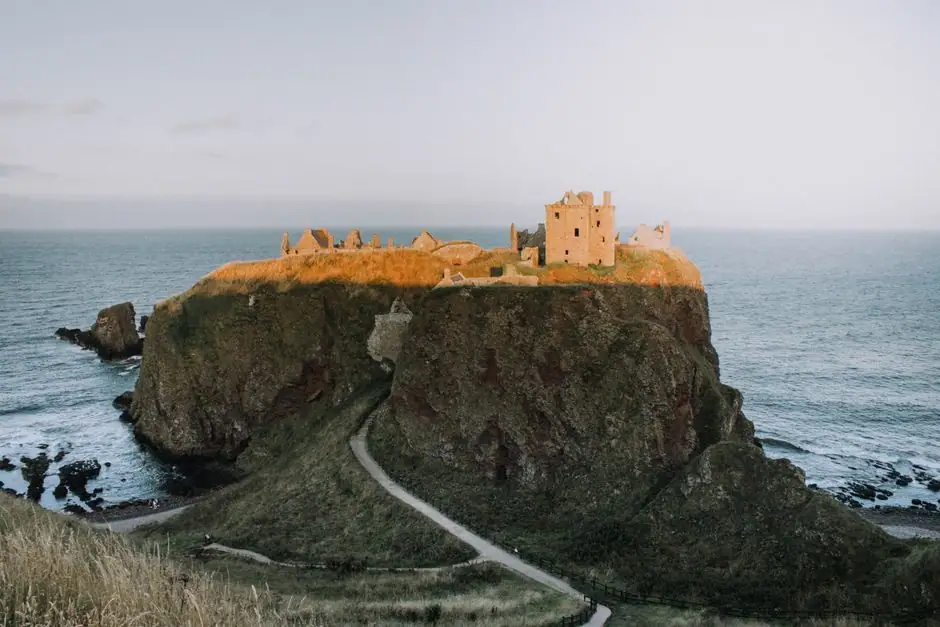
Dunnottar Castle sits on a flat-topped rock south of Stonehaven in Aberdeenshire, joined to the mainland by a narrow neck. You park above it, walk down, then climb a long flight of steps back up to the gate. The view people travel for is from the cliff path, not from inside the walls, so allow time for the walk both ways.
Dunluce Castle stands on a basalt crag on the Antrim coast between Portrush and the Giant’s Causeway, with a bridge over the gap. Part of its service range fell into the sea, a collapse local tradition has told about for centuries. The best angle is from the grass to the east, looking back at the ruin against open water.
The same shape repeats around the coast. Tantallon in East Lothian faces Bass Rock across the Firth of Forth. Dunseverick and Kinbane are smaller Antrim ruins on the same road as Dunluce. Dunskey near Portpatrick clings to a cliff edge in Dumfries and Galloway.
Castles in Scotland on the Coast: East, West and North
Scotland has more coastal castles than anywhere else in these islands, and the two coasts do not feel alike.
On the east coast, look at Dunnottar, Slains at Cruden Bay, Findlater on the Moray Firth, St Andrews Castle on its cliff in Fife, Tantallon and Dunbar in East Lothian, Broughty on the Tay and Castle Sinclair Girnigoe near Wick. Expect wide skies, long views and the sea fog known as haar.
On the west coast, the group around Oban is the strongest: Dunstaffnage, Dunollie, and Castle Stalker on its islet in Loch Laich. Add Duart on Mull, Dunvegan and Duntulm on Skye, Eilean Donan where three sea lochs meet, Kisimul in Castlebay on Barra and Culzean above the Firth of Clyde. Expect ferries, single track roads and weather that changes inside an hour.
If you want to stay out there rather than drive back, several of these buildings now take guests, which the castle hotels in Scotland list covers.
Tintagel and St Michael’s Mount on the Cornish Coast
Tintagel Castle is split in two by a chasm, with courtyards on the mainland and more on the island, linked by a footbridge. It is a steep site with a lot of steps and almost no shelter. The ruins sit above a working surf coast, and the Arthurian stories attached to the place are medieval literature rather than history.
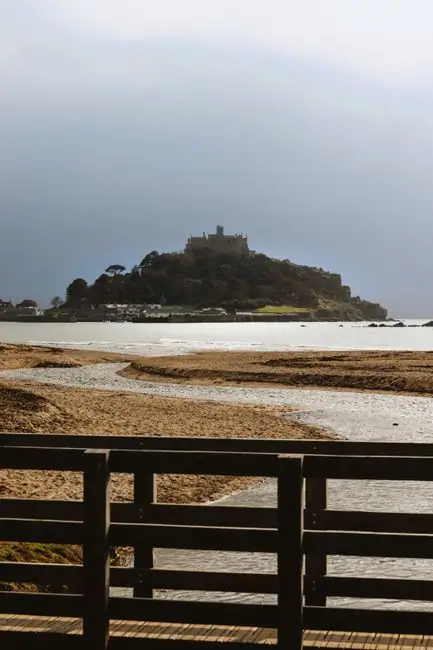
St Michael’s Mount in Mount’s Bay is the clearest tidal castle in England. A granite causeway from Marazion is walkable at low water, and boats run when the tide covers it. Cornwall also keeps two Tudor gun forts on the water at Falmouth, St Mawes and Pendennis, which were built for artillery rather than for a household.
Bamburgh and Lindisfarne on the Northumberland Shore
Bamburgh Castle rises on a basalt outcrop straight off a wide sand beach, and the beach walk from the north gives the long shot of it. A few miles south, Dunstanburgh needs a coastal footpath walk in from Craster, which keeps the crowds thin.
Lindisfarne Castle is the tide gamble of the group. It is a small Tudor fort on Holy Island, remodelled into a house by Edwin Lutyens, and the island is cut off twice a day by water over the Holy Island causeway. Cars get written off there every year by drivers who chance it.
Tide, Wind and Weather: What to Check Before You Set Off
Three checks, in this order.
- Tide, for any causeway or boat trip. Safe crossing windows are published ahead, and they shift every day. Treat the posted times as the limit, not a suggestion.
- Wind, for clifftop sites. High winds close exposed ruins and stop small boats, and they do it at short notice. The Met Office warnings page is the quickest read.
- Opening hours, because coastal sites run short winter hours and some shut for months.
Footwear matters more here than inland. Wet stone steps, sloping grass above a drop and loose shingle all turn up in one visit.
Photographing a Coastal Castle: Light, Angles and Drone Rules
East coast castles face the sunrise, so Dunnottar, Tantallon and Bamburgh reward an early start. West coast sites take the sunset, which suits Castle Stalker, Duart and Dunskey. Midday gives you flat light and the worst of the haze.
Shoot from along the shore rather than from the car park. A long lens from a neighbouring headland compresses the castle against the sea and keeps fences out of frame. Carry a cloth, since salt spray films a lens within minutes in a breeze.
For drones, two things apply at once. Flying is governed by Civil Aviation Authority rules, and depending on weight and camera you may need to register and pass its test, set out in the Drone and Model Aircraft Code. Separately, the landowner controls take-off and landing, and many castle owners and heritage bodies ban it on their ground. Permission to fly is not permission to launch from the car park.
Where to Go Next
Pick your shore, then open the Castles in the UK and Ireland map to see what else sits within a short drive of it. Each nation and county page lists every entry we hold, coastal or not, so you can build the rest of the day around the one castle you came for.
Questions
What are the best castles by the sea in the UK and Ireland?
Dunnottar in Aberdeenshire, Dunluce on the Antrim coast, Tintagel and St Michael's Mount in Cornwall, and Bamburgh, Dunstanburgh and Lindisfarne in Northumberland are the ones most people travel for. Tantallon in East Lothian and Castle Stalker in Argyll belong on the same list. All of them use a cliff, a crag or a tidal channel as their main defence.
Which castles in Scotland are on the coast?
Dozens are, on both coasts and the islands. On the east, Dunnottar, Slains, Findlater, St Andrews, Dunbar, Tantallon, Broughty and Castle Sinclair Girnigoe all stand on or above the shore. On the west, Dunstaffnage, Dunollie, Castle Stalker, Duart, Dunvegan, Duntulm, Eilean Donan, Kisimul and Culzean do the same. Scotland has more coastal castles than anywhere else in these islands.
What castles are on Scotland's west coast?
Argyll holds the densest group: Dunstaffnage and Dunollie beside Oban, Castle Stalker on its tidal islet, and Duart on the Isle of Mull. Further north you get Eilean Donan where three sea lochs meet, plus Dunvegan and Duntulm on Skye. Kisimul sits in the bay at Castlebay on Barra, and Culzean stands on a cliff above the Firth of Clyde.
What castles are on Scotland's east coast?
Dunnottar near Stonehaven is the headline ruin, with Slains at Cruden Bay and Findlater on the Moray Firth nearby. Fife has St Andrews Castle on its cliff, East Lothian has Tantallon facing Bass Rock and Dunbar beside the harbour, Dundee has Broughty on the Tay, and Caithness has Castle Sinclair Girnigoe near Wick.
Can you walk to Lindisfarne Castle and St Michael's Mount?
Yes, but only around low tide. Holy Island is reached by a causeway that floods twice a day, and the safe crossing times are published in advance. St Michael's Mount has a granite causeway from Marazion that is walkable at low water, with boats running when the tide covers it. Check the times before you drive, not when you arrive.
Do coastal castles close in bad weather?
Often. Exposed clifftop sites shut when winds are high, because loose stone, steep steps and unfenced edges turn dangerous fast. Island and boat access stops first, then clifftop ruins, then everything else. Winter hours are shorter too, and some sites close for part of the year. Look at the official opening page and a weather forecast on the morning you travel.