Castle Passes and Memberships: Which One Is Worth It for Castle Visits
Castle passes and memberships compared: what English Heritage, National Trust, Historic Scotland, Cadw and OPW cover, and how many visits pay them back.
Castle passes and memberships pay for themselves when your trip takes in more ticketed castles than the pass costs, which for an annual card usually means three or four full-price visits. Which one to buy depends on the nation: English Heritage in England, the National Trust in England, Wales and Northern Ireland, Historic Environment Scotland in Scotland, Cadw in Wales, and the OPW Heritage Card in the Republic of Ireland. No single card covers the lot. Check who owns the castles on your list first, because every castle in the UK and Ireland belongs to a public body, a charity or a private owner, and the ticket follows the owner.
Who owns and runs the castles
Five organisations hold most of the ticketed castles, and each sells its own pass.
| Body | Where it works | What its pass is called |
|---|---|---|
| English Heritage | England | Membership, plus a short Overseas Visitor Pass |
| National Trust | England, Wales, Northern Ireland | Membership, with National Trust for Scotland separate |
| Historic Environment Scotland | Scotland | Historic Scotland membership and the Explorer Pass |
| Cadw | Wales | Membership and a short Explorer Pass |
| Office of Public Works | Republic of Ireland | Heritage Card |
English Heritage holds the big English fortresses, including Dover Castle. The National Trust owns a different sort of place: country houses, gardens, farmland and coast, with a smaller set of castles among them. Historic Environment Scotland runs the state-owned Scottish sites, Cadw runs the Welsh ones, and the OPW looks after Irish national monuments and places like Kilkenny Castle.
Northern Ireland is the odd one out. It has no membership scheme of its own. State-care monuments sit with the Department for Communities, many of them free, and National Trust membership works at its properties there.
How many visits it takes to break even
Add up the gate price of every castle on your route, then compare it with the cost of the card. For one adult, annual membership tends to pay back at around three or four full-price visits to the larger sites, because the famous castles carry the high tickets and the small ruins are cheap or free. Joint and family memberships pay back sooner, since child tickets stack up fast.
Prices change every year, so check the current rate on the owner’s own site.
Two things tilt the sums. Membership normally includes parking where the owner charges for it, which is worth real money in the Highlands and Snowdonia. And a card only counts if you use it. One bought for a single holiday and never touched again is an expensive way to see two castles.
Short passes usually beat membership on one trip
For a week or two of travel, the limited-day passes are the better buy. Historic Environment Scotland sells the Historic Scotland Explorer Pass, which covers its sites for a set number of days inside a slightly longer window, Edinburgh and Stirling included. Cadw sells an Explorer Pass on the same idea for the Welsh castles, and English Heritage sells an Overseas Visitor Pass for a run of consecutive days.
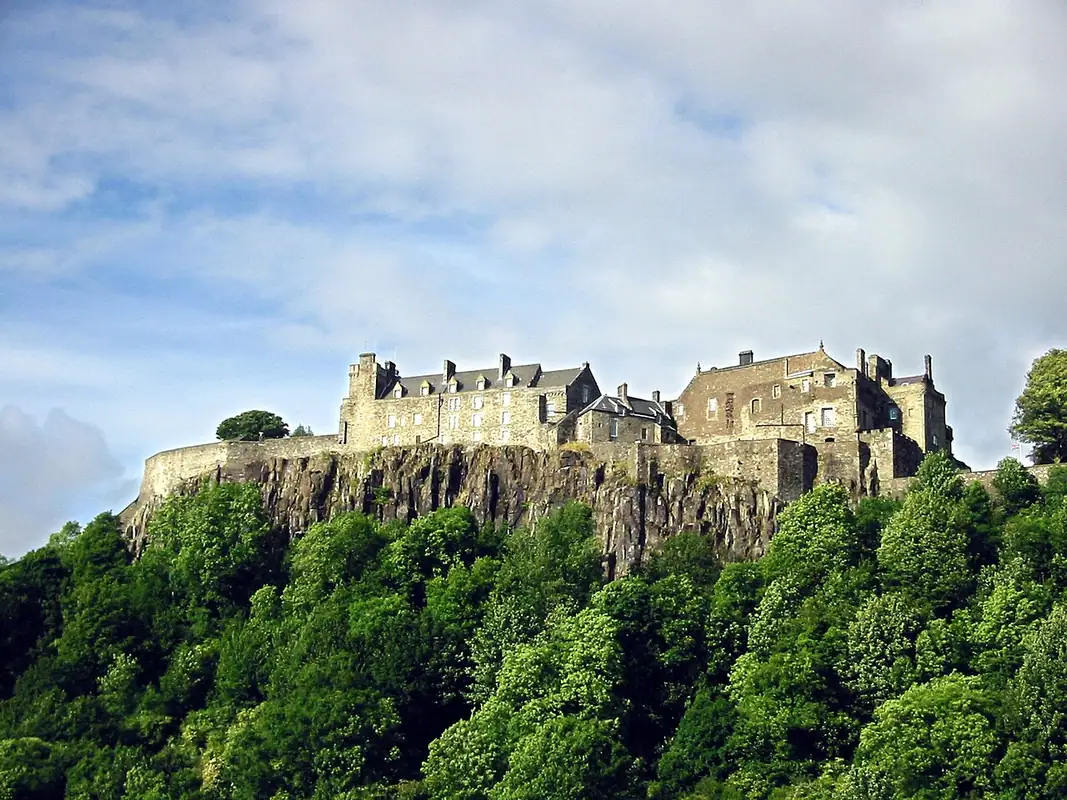
The short pass costs less and covers the same castles while it lasts, so it wins on a single trip. It loses the moment you come back later in the year. If you live within driving range, the annual card tends to win on the second visit alone.
Reciprocal deals and overlaps
The memberships overlap more than the branding suggests.
The National Trust and the National Trust for Scotland are separate charities with a reciprocal deal, so a card from either gets you into the other’s properties. That is how one membership reaches castles in all four nations.
English Heritage has long run a similar arrangement with Cadw, Historic Environment Scotland and Manx National Heritage, with reduced entry in your first year of membership and free entry after that. Terms get revised, so confirm before you rely on it.
Two owners sit outside all of this. Historic Royal Palaces runs the Tower of London and Hillsborough Castle on its own membership. The royal residences are their own case again, and the guide to Scottish castles owned by the royal family sets out which ones let visitors in.
Castles that take none of these passes
Some of the best known castles are privately owned and accept no pass. Warwick Castle is run as a commercial attraction. Alnwick, Blair, Inveraray, Dunrobin and Bamburgh are family seats selling their own tickets. In Ireland, Blarney and Bunratty are private operations. On Skye, Dunvegan is still a family home with its own admission, which the guide to castles on the Isle of Skye covers alongside the free ruins nearby.
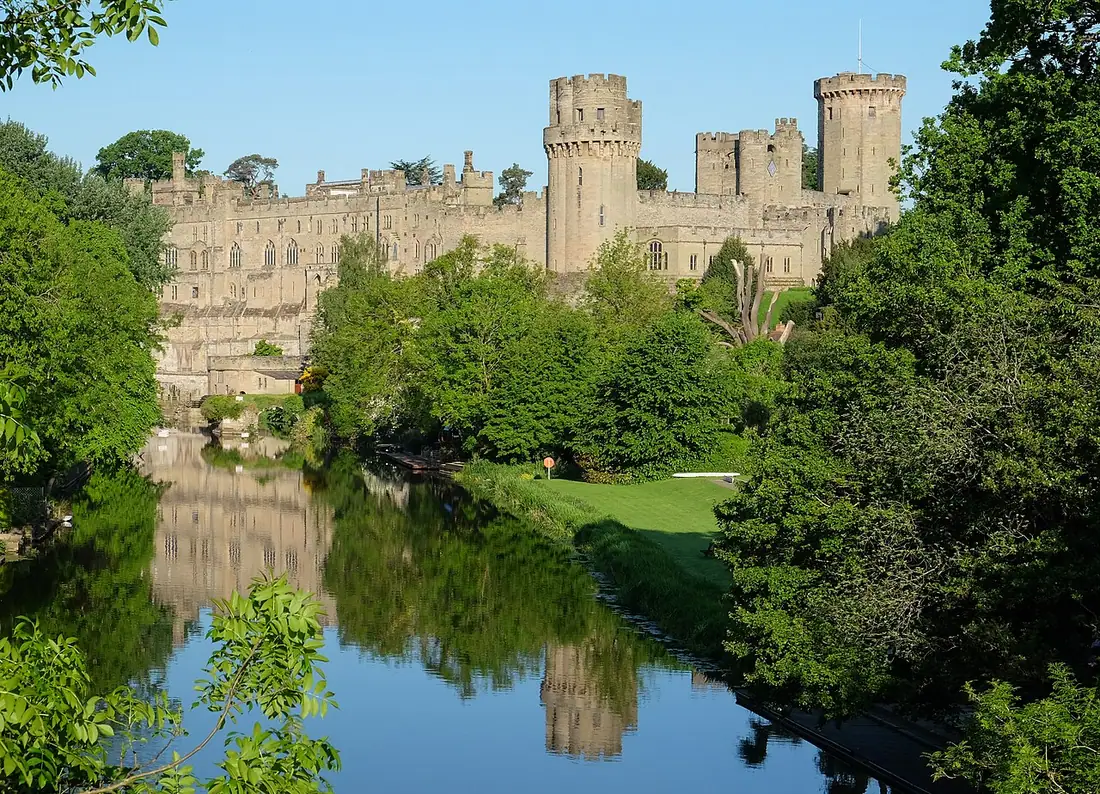
The moated castles split the same way. Bodiam belongs to the National Trust, while Hever and Leeds are private, so the castles with water-filled moats never come under one ticket.
Historic Houses sells a membership of its own covering hundreds of privately owned houses, castles and gardens the big charities do not hold. A few private castles also turn a full-price ticket into a year of return visits, so ask at the gate rather than guessing.
Free castles you never need a ticket for
A large share of castles cost nothing. English Heritage alone cares for more than 400 historic places, and many are unstaffed ruins and earthworks with open access. The same goes for Cadw sites like Ogmore Castle, Historic Environment Scotland sites like Kilchurn Castle in Argyll, and Irish monuments like the Rock of Dunamase in Laois.
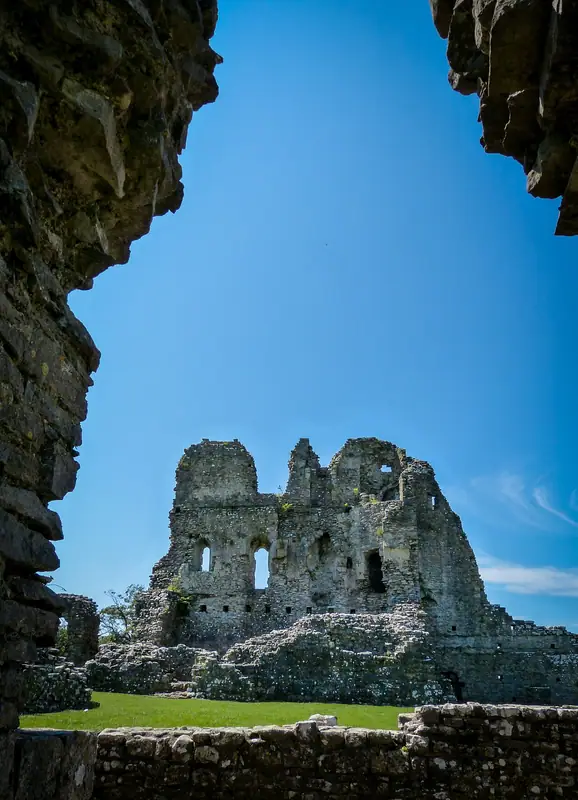
Coastal ruins give you the longest free list, since there is little to fence and nobody to staff. The guide to clifftop and coastal castles picks out the ones worth the drive. Town-centre castles are often free as well, because the grounds work as a public park.
So count only the ticketed castles when you do the sums. Free ruins do not move the break-even either way.
Which pass suits which trip
- A week in Scotland with several big castles: the Historic Scotland Explorer Pass.
- A week in Wales: the Cadw Explorer Pass.
- A fortnight in England from abroad: the Overseas Visitor Pass.
- A year of weekends in England: English Heritage, or the National Trust if you want houses and gardens too.
- A touring holiday in the Republic of Ireland: the OPW Heritage Card.
- Castles in several nations across one year: National Trust and National Trust for Scotland on one card.
Where to go next
Pick your base before you pick a pass. The castles near a city pages list what is within reach of each major city in the UK and Ireland, so you can count the ticketed castles on your route and see whether a card pays for itself.
Questions
Do English Heritage members get free entry to Scottish and Welsh castles?
English Heritage has long run a reciprocal arrangement with Historic Environment Scotland, Cadw and Manx National Heritage, with reduced entry during your first year of membership and free entry after that. The terms get changed from time to time, so confirm them with English Heritage before you buy on the strength of it.
Is one card enough for castles in both the UK and Ireland?
No single pass covers both. The closest thing is National Trust membership, which works in England, Wales, Northern Ireland and, through the reciprocal deal, at National Trust for Scotland places. For the Republic of Ireland you need the OPW Heritage Card as well, since the Office of Public Works runs those sites separately.
How long is the OPW Heritage Card valid?
The Heritage Card runs for a year from when it is issued and covers entry to fee-paying Office of Public Works sites in the Republic of Ireland. That includes castles, abbeys, houses and national monuments. It does not cover privately run castles, council-run sites, or anything in Northern Ireland, which sits under a different government.
Are castle passes worth it for a short holiday?
Often yes, but buy the short pass rather than the annual one. Historic Environment Scotland, Cadw and English Heritage all sell limited-day passes that cover the same sites for less than a year's membership. If you are only in one nation for a week, the short pass almost always wins on price.
Which castle membership covers the most castles?
Historic Environment Scotland and Cadw cover the highest number of genuine medieval castles for their size, because the Scottish and Welsh states took so many ruins into care. English Heritage holds the biggest overall estate. National Trust membership covers fewer castles but far more houses, gardens and coastline.
Do memberships include parking at castles?
Usually yes, at sites where the owner runs the car park and charges for it. That matters most in the Highlands, Snowdonia and the Lake District, where parking can add several pounds per stop. It does not help at town-centre castles, where the car park normally belongs to the local council.